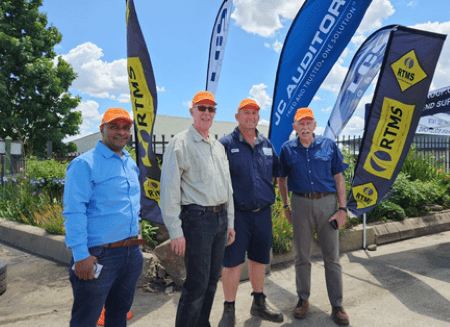

A recent online survey conducted by JC Auditors (JCA) has highlighted a concerning lack of safety systems within the road freight sector of Small and Medium-sized Enterprises (SMMEs). The survey, conducted with the objective of evaluating safety practices and measures in the industry, uncovered a disheartening scenario that necessitates collective action to significantly improve South Africa’s lamentable road safety record.
According to Oliver Naidoo, Managing Director of JCA, key findings from the survey indicate a widespread absence of robust safety protocols that in turn jeopardise the well-being of both heavy vehicle drivers and public road users. “It also has a significant economic impact – considering that the last Road Traffic Management Corporation report indicated the cost of crashes to be R142 billion or 3,4% of GDP.”
The survey conducted with SME road freight companies from across the country revealed the following alarming trends:
Poor Compliance with Regulations: The survey findings revealed a concerning lack of compliance with the relevant requirements of the National Road Traffic Act and other industry standards, with 64% of participating companies lacking proper compliance measures.
Insufficient Vehicle Maintenance: A striking 68% of SMME road freight companies were found to have inadequate vehicle maintenance programmes. Neglecting proper maintenance increases the risk of mechanical failures, leading to accidents and disruptions in supply chains.
Safe Loading: The survey’s most alarming discovery was that 87% of companies did not actively monitor their compliance with the legal mass limits outlined in the Road Traffic Act.
Inadequate Safety Training: An astonishing 72% of respondents reported insufficient driver training. This lack of training heightens the risk of accidents and undermines the overall safety culture on our roads. While formal driver training is crucial, it is just one element in fostering the necessary safe driving culture. Driver monitoring, coaching, and visible management commitment are also vital.
Driver Medical Fitness: Shockingly, 78% of companies indicated that drivers were not assessed for medical fitness on an annual basis, and an overwhelming 92% of companies were unaware of whether any of their drivers had chronic illnesses.
Naidoo expresses grave concern regarding these findings, highlighting the urgency for collaboration among industry stakeholders, regulatory bodies, and government authorities to address the identified deficiencies within the SME road freight sector.
However, amidst the challenges, there remains an opportunity presented by the survey findings.
“It provides us with a chance to enhance the safety culture within SMEs and implement robust systems that foster a safe operating environment,” explains Naidoo, who recommends the following measures:
Develop a Robust Safety Policy: Create a clear and comprehensive safety policy that demonstrates the company’s unwavering commitment to safety and establishes firm expectations for all employees. The policy should encompass vital aspects, including driver behaviour, meticulous vehicle maintenance, proper load securing techniques, and adherence to relevant safety regulations and standards.
Conduct Comprehensive Risk Assessments: Regularly conduct thorough risk assessments to systematically identify potential hazards and evaluate the associated risks across all aspects of the company’s operations. These assessments should encompass a comprehensive analysis of various factors, including but not limited to routes, loading and unloading procedures, driver fatigue management, and any other elements that could potentially impact safety.
Enhance Driver Selection and Training: To achieve this, it is recommended to implement a robust driver selection process. This process should involve conducting thorough background checks to assess the character and reliability of potential drivers. Additionally, verifying driver’s licences and thoroughly reviewing driving records can help identify any past violations or accidents, enabling better decision-making in driver selection. Comprehensive training programs should be designed to equip drivers with the necessary skills and knowledge to navigate various driving situations safely. These programs should cover a range of important topics, including defensive driving techniques, emergency response procedures, and strict adherence to safety regulations. Ongoing training and refresher courses should be conducted to reinforce safe driving practices.
Implement Driver Monitoring Systems: Installing driver monitoring systems that track key driving behaviours such as speed, acceleration, braking, and adherence to traffic rules will allow for proactive identification of risky driving patterns and enable timely intervention through coaching or additional training.
Ensure Vehicle Maintenance: Establish a robust vehicle maintenance programme that incorporates regular inspections, servicing, and repairs. Conduct pre-trip and post-trip vehicle checks to identify any mechanical issues that may jeopardise safety. Develop protocols for promptly addressing maintenance needs and maintaining accurate maintenance records.
Promote a Safety Culture: Foster a safety-conscious culture within the company, by encouraging open communication, actively promoting the reporting of safety concerns, and recognising and rewarding safe behaviour. Empower employees to actively participate in safety initiatives through safety committees, regular safety meetings, and suggestion programs.
Provide Personal Protective Equipment (PPE): Ensure that drivers and employees are equipped with suitable personal protective equipment, including high-visibility vests, safety footwear, and reflective clothing. Emphasise the significance of wearing PPE in hazardous areas, during loading and unloading operations, and in challenging weather conditions.
Encourage Incident Reporting and Investigation: Establish a robust system for reporting and investigating safety incidents, near misses, and accidents. Create an environment where employees feel comfortable reporting incidents promptly, without the fear of reprisal. Conduct thorough investigations to identify the root causes of incidents and implement corrective actions to prevent their recurrence.
Engage in Continuous Improvement: Continuously review and analyse safety performance data to identify trends, areas for improvement, and emerging risks. Utilise this valuable information to develop targeted safety initiatives, adapt training programmes, and implement corrective actions effectively. Actively seek feedback from employees and stakeholders to gather valuable insights and ideas for enhancing safety measures.
Stay Up-to-Date with Regulations: Stay informed about applicable safety regulations and industry standards. Maintain compliance with local, regional, and national laws governing road freight operations. Regularly review and update safety policies and procedures to align with evolving regulations and best practices.
According to Naidoo, the implementation of these steps can lead to substantial improvements in safety performance, risk mitigation, and the well-being of employees and the public for a SME road freight company.
“The Road Transport Management System (RTMS) serves as an excellent tool to facilitate the implementation of these measures, promoting both transport safety and business sustainability,” concludes Naidoo. Over the past 15 years, JCA has conducted more than 5000 RTMS audits, with certified companies presenting compelling case studies demonstrating exceptional safety improvements. These improvements include reduced overloads, enhanced vehicle utilization, improved preventive maintenance, better driving behavior, and, most importantly, a significant reduction in accidents.
JCA remains dedicated to collaborating with industry stakeholders to drive positive change and cultivate a safety-oriented culture within the SME road freight sector. As part of these efforts, the company will launch the 2023 SME Road Freight Summit on 30 June, in partnership with Grow SA, to foster discussions aimed at enhancing the safety performance of South Africa’s SME road freight transporters.
Read more news and exclusive features in our latest issue here.
Never miss a story… Follow us on:
Showhome
@Your_Show_Home
@Showhomemag
Media Contact
Joseph Clarke
Editor, Showhome
Tel: +44 (0) 1622 823 920
Email: [email protected]