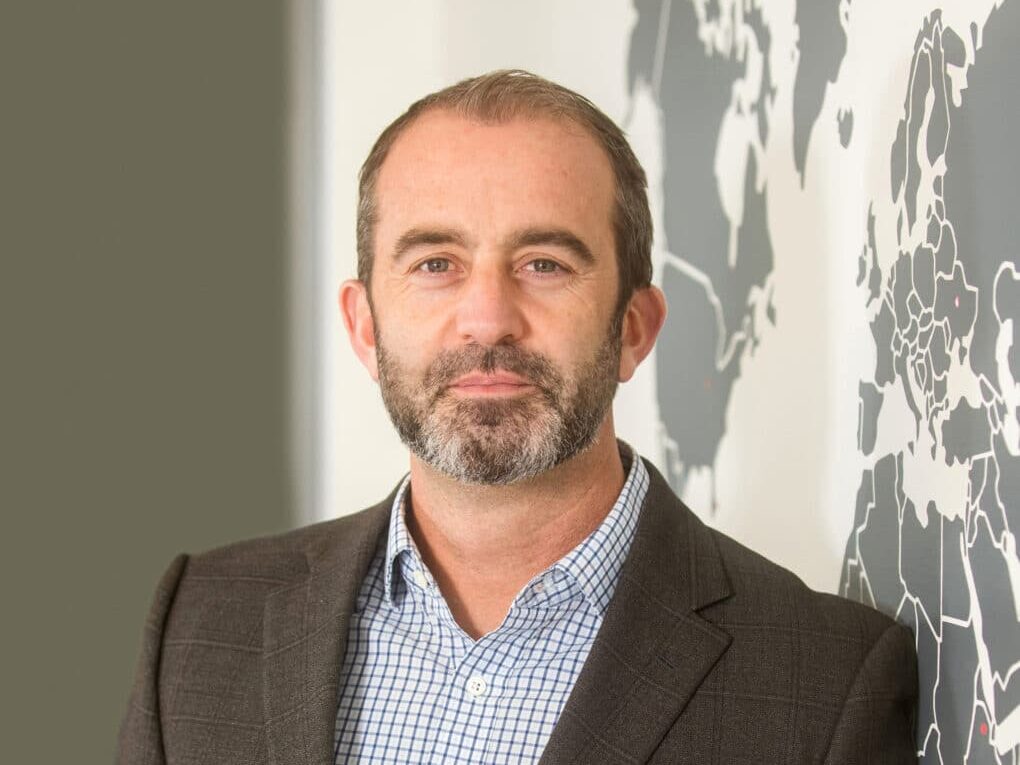
Brigid Derry, CEO of Derry Bros, explores rising customs complexity and how automation and expertise are helping logistics operators manage post-Brexit trade
To begin, could you introduce yourself to our readers and outline your role at Derry Bros?
I am the CEO of Derry Bros, having taken over the running of the business in 2005. Under my leadership, we have transformed into a well-established shipping and customs clearance specialist, supporting customers across Northern Ireland, Great Britain, Ireland and the wider EU. I played a significant role in launching our customs clearance division following the Brexit vote and, more recently, spearheaded the development of our all-in-one, automated digital platform, Digicom, having recognised the need for efficient, technology-driven solutions. Throughout this journey, we have remained a family-led business focused on building strong relationships, while growing in a responsible and sustainable way.
What challenges are freight operators currently facing that are prompting them to seek greater customs support?
The biggest challenge is the financial implications if customs requirements are not being completed correctly. They are the ones who take on all the liabilities, because their overheads are so high and margins so tight, so having drivers and equipment stuck at the border is hugely costly. Then there are penalties from a customer for late deliveries or even the chance of losing a contract due to poor performance. Customs is not part of their core expertise and there is a growing realisation that the risk associated with handling it in-house often outweighs the potential gains.
Since Brexit, customs clearance for the movement of goods between Ireland, the UK and the EU has been constantly evolving, with further changes planned for this year and beyond. Another challenge for those involved in moving goods between these markets is the time and effort needed to keep pace with the shifting requirements. This has been made worse by deadlines being constantly revised and pushed back, both in the UK and EU, which has led to considerable uncertainty within the international freight sector.
The volume of GB–NI declarations rose by 47% in 2025. What specific factors are contributing to this surge in Irish Sea trade complexity, and how are logistics businesses adapting to the evolving regulatory landscape?
This may sound strange, but much of the increase in declarations resulted from the simplifications brought about by the Windsor Framework, which came into full effect in May last year. While designed to streamline procedures for moving goods from Great Britain to Northern Ireland, it has added a layer of complexity and logistics businesses are looking for third-party support to navigate the changes.
There was certainly some confusion about the different schemes, what they were and how best they could be used, and many operators concluded there were benefits to outsourcing these requirements to a specialist rather than trying to muddle through in-house. We have also found that as an experienced customs partner, it has been possible to identify savings opportunities for customers, making the overall process much more cost effective.
You’ve increased headcount by 25% while also investing heavily in digitisation. How do you balance expanding in-house expertise with automation, and what role does technology now play in delivering efficient and compliant customs solutions?
There is a growing need for digitisation, and moving forward, those not investing risk being left behind. However, for any managed customs solution, there will always be a need for people to provide their support and guidance. Digitisation is playing a major role in the expansion of the business, and as this happens, we need to expand the team and attract greater levels of customs expertise.
Huge time savings can be achieved by automating declarations, while it is possible to eliminate a significant amount of human error and increase compliance levels by minimising data entry. As such, digitisation represents a powerful tool, but it is still just a tool, and there needs to be people behind this to share expertise and intervene when problems do occur. If a load is held up in a port, for example, human intervention becomes critical to resolve this situation and avoid unnecessary delays. Moreover, customs experts are needed to evaluate our customers’ supply chains and develop the most effective solutions that best meet their needs.