
SeaCube and Greensee are revolutionising refrigerated container transport with innovative energy-efficient technologies, AI-driven analytics and net-zero solutions, paving the way for a more sustainable and environmentally responsible cold chain logistics industry
As the global shipping industry grapples with two pressing challenges—the increasing demand for efficient transportation and the urgent need to reduce greenhouse gas (GHG) emissions—companies like SeaCube and Greensee are leading the way in developing innovative and sustainable solutions for refrigerated container transport. The shipping sector is critical to global trade but has long been associated with significant environmental impacts. With a growing recognition of these challenges, SeaCube and Greensee have developed solutions that aim to revolutionise cold chain logistics, setting new benchmarks in energy efficiency, emissions reduction, and sustainability.
By introducing SeaCube’s Green and Net-Zero Reefer Leases, alongside Greensee’s artificial intelligence (AI)-powered GHG emission reporting and data analytics services, the two companies are working together to transform an industry that is pivotal for transporting perishable goods. Their efforts mark a new era of sustainability in maritime logistics, one where technology and innovative thinking are harnessed to address some of the most pressing environmental concerns of our time.
The Challenge of Emissions in Cold Chain Logistics
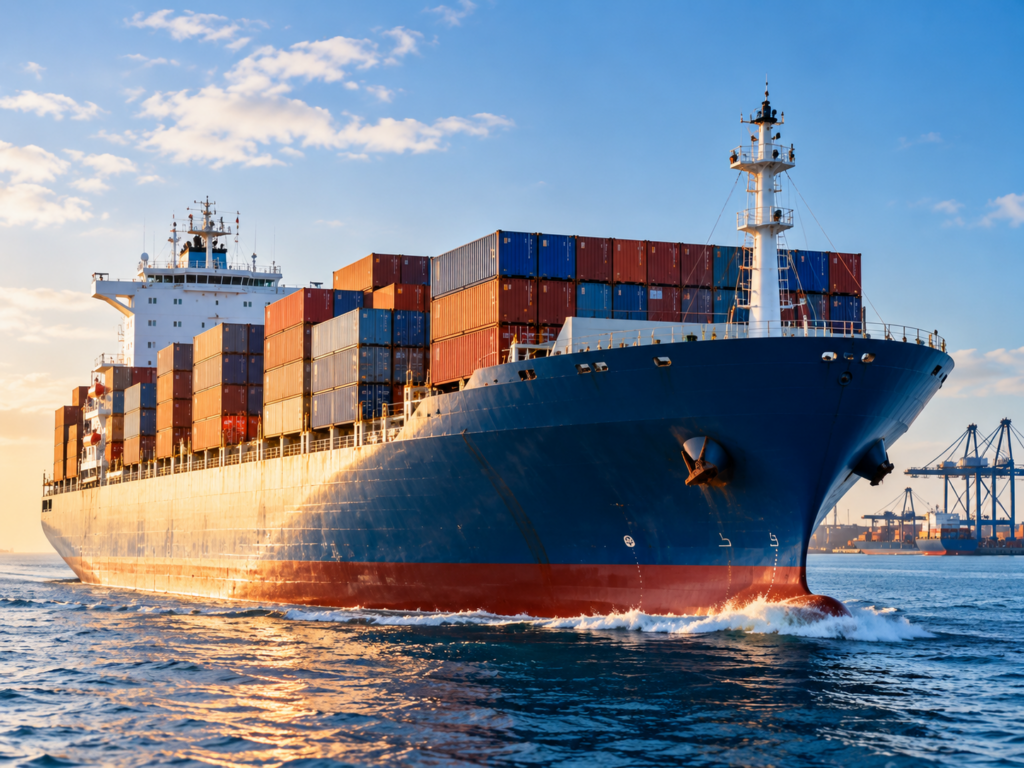
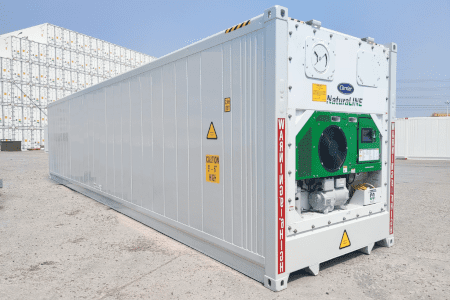
The shipping industry is responsible for a significant portion of global GHG emissions, and refrigerated containers, or reefers, contribute disproportionately to this environmental impact. Despite making up only about 10% of a container ship’s overall capacity, reefers are responsible for up to 30% of the total emissions generated by the vessel. This stark imbalance underscores the need for new, more efficient technologies and approaches to manage these emissions without compromising the performance of global supply chains.
SeaCube, a recognised leader in the leasing of refrigerated containers, has taken on this challenge by developing energy-efficient solutions that address the core issues surrounding reefer emissions. The integration of advanced energy analytics into their leasing options allows for real-time monitoring and adjustment of energy use. This solution, developed in collaboration with Greensee, leverages AI and data analytics to make informed decisions based on variables like ambient temperature, cargo type, and route efficiency. The ultimate goal is to optimise energy consumption and reduce emissions by up to 20%, a significant leap forward for the sustainability of cold chain logistics.
SeaCube’s Energy Analytics Solutions for Green Reefers
One of SeaCube’s most notable contributions to greener refrigerated transport is its advanced energy analytics solutions. Through the use of AI-powered technologies, the company is able to provide data-driven insights that enable customers to optimise the energy use of their refrigerated containers. The system monitors key variables, including temperature, cargo conditions, and the vessel’s route, making real-time adjustments that ensure optimal energy efficiency throughout the journey.
This solution not only helps reduce energy consumption but also contributes to lower emissions. By using data to drive decision-making, SeaCube ensures that energy is used only when absolutely necessary, reducing the environmental impact of refrigerated transport. For companies seeking to minimise their carbon footprints, these energy analytics solutions offer a practical and effective means of doing so, with the potential to achieve up to 20% reductions in emissions.
The system’s energy analytics dashboard allows fleet operators to monitor and analyse performance across multiple reefers, providing valuable insights into where further efficiencies can be made. As global demand for refrigerated transport continues to rise, solutions like this one offer a path forward for companies that wish to remain competitive while reducing their environmental impact.
Battery-Powered Generation Systems for Reefers
Traditionally, refrigerated containers have relied on diesel-powered generation systems (gensets) when being transported by road or rail. However, diesel gensets contribute to both CO2 emissions and air pollution, making them unsustainable in the long term. SeaCube is now addressing this challenge by field testing battery-powered gensets, which offer a cleaner and more sustainable alternative to diesel.
Battery-powered gensets not only eliminate CO2 emissions but also reduce the release of harmful particulate matter, which is a significant source of air pollution. These systems can be charged using renewable energy sources, further enhancing their sustainability credentials. By moving away from diesel, SeaCube and Greensee are driving a fundamental shift in how refrigerated containers are powered, especially during their overland transportation.
In addition to this, SeaCube is exploring ways to optimise the use of battery-powered gensets through AI-powered analytics. By monitoring energy consumption patterns and analysing ambient conditions, the system can recommend optimal charging cycles and usage patterns that extend the operational life of the batteries while reducing environmental impact. This approach represents a significant step forward in creating a more sustainable future for refrigerated transport, particularly in road and rail segments, where emissions have historically been difficult to mitigate.
The Net-Zero Reefer Lease Program
One of the most ambitious initiatives introduced by SeaCube is its Net-Zero Reefer Lease Program. This programme enables customers to lease refrigerated containers that are equipped with energy-efficient technologies, while also giving them the option to offset their remaining carbon emissions. Achieving net-zero emissions is a multi-step process that requires both reducing emissions at the source and offsetting those that cannot be eliminated entirely.
When a company chooses a Net-Zero Reefer Lease, SeaCube calculates the total emissions generated during the shipment process. The customer can then offset these emissions by purchasing carbon credits, which fund environmental projects like reforestation, renewable energy initiatives, and methane capture. This approach allows companies to align their operations with broader sustainability goals, offering a practical way to meet regulatory requirements while demonstrating environmental responsibility.
Greensee plays a crucial role in this process by providing precise emission analytics, ensuring that the measurement and reporting of GHG emissions are both accurate and transparent. This level of precision allows companies to verify their emissions offsets with confidence, offering transparency and accountability that is increasingly demanded by both regulators and customers.
In addition to the Net-Zero Reefer Lease Program, SeaCube and Greensee are working on developing accredited audit scorecards and data feeds that are compliant with the European Emissions Trading System (ETS). These innovations will ensure that customers not only reduce their emissions but also remain compliant with evolving regulatory standards. By helping companies avoid potential fines and ensuring they stay ahead of regulatory changes, SeaCube and Greensee are offering a comprehensive solution that supports both environmental and business goals.
Read more news and exclusive features in our latest issue here.
Never miss a story… Follow us on:
International Trade Magazine
@itm_magazine
@intrademagazine
Media Contact
Joseph Clarke
Editor, International Trade Magazine
Tel: +44 (0) 1622 823 920
Email: [email protected]