
As retail pressures intensify, Yusen Logistics explores how evolving supply chain strategies can help businesses adapt.
Retail supply chains are under increasing pressure. Consumers expect fast, reliable delivery, real-time visibility and straightforward returns, while retailers face rising operational costs, evolving sustainability requirements and ongoing market uncertainty. Against this backdrop, logistics has become a strategic differentiator rather than simply a support function.
These challenges will be central to discussions at the Retail Supply Chain & Logistics Expo, where retailers, manufacturers and logistics specialists will explore how supply chains can become more agile, resilient and sustainable. Among the exhibitors is Yusen Logistics, whose experience supporting global retail supply chains highlights how logistics providers are adapting to meet the sector’s changing requirements.
From cost centre to competitive advantage
The retail industry has undergone significant transformation over the past decade. The growth of ecommerce, expansion of omnichannel selling models and increasing consumer expectations have created far more complex distribution networks than those many retailers operated historically.
Today’s inventory may serve physical stores, ecommerce platforms, wholesale customers and third-party marketplaces simultaneously. Retailers need greater visibility across these channels while maintaining high service levels and controlling costs.
As a result, logistics providers are expected to deliver integrated solutions rather than standalone services. Freight forwarding, warehousing, transportation, fulfilment and inventory management must work together seamlessly to provide the responsiveness modern retail demands.
This is an area where Yusen Logistics has developed considerable expertise. With a global network supporting international freight, contract logistics and distribution operations, the company works with retailers to manage increasingly complex supply chains while maintaining operational flexibility. Its experience spans multiple sectors, including fashion, consumer goods, ecommerce and lifestyle brands, where speed, visibility and reliability are critical to customer satisfaction.
The Continuing Evolution of Omnichannel Retail
While omnichannel retail is no longer a new concept, many businesses are still refining how their supply chains support it.
Consumers increasingly expect a consistent experience regardless of where they shop. A product may be ordered online, fulfilled from a distribution centre, collected in store or delivered directly to a customer’s home. Retailers therefore require supply chains capable of managing inventory dynamically across multiple channels.
Achieving this demands accurate inventory visibility, efficient warehouse operations and sophisticated fulfilment processes. It also requires the ability to rapidly adjust capacity during seasonal peaks, promotional events and changing consumer demand patterns.
Increasingly, automation and digital technologies are helping retailers address these challenges. Advanced warehouse management systems, automated storage solutions and real-time tracking capabilities enable businesses to improve order accuracy, reduce lead times and optimise inventory positioning throughout the network.
For growing retailers in particular, access to these capabilities can provide a significant competitive advantage without the need for substantial capital investment in their own infrastructure.
Returns logistics: The hidden challenge
One of the most significant issues facing retail supply chains today is returns management.
The continued growth of ecommerce has led consumers to expect convenient returns processes, particularly in sectors such as fashion and consumer electronics. While these expectations contribute to customer loyalty, they also create operational complexity and cost for retailers.
Returns logistics involves much more than product collection. Goods must often be inspected, sorted, repackaged, repaired, refurbished, recycled or returned to inventory for resale. Every additional handling stage affects cost and efficiency, while slow processing can delay the recovery of inventory value.
The challenge becomes even greater within omnichannel environments. Products purchased online may be returned through a store network, requiring complete visibility across multiple systems and channels.
Forward-thinking retailers are increasingly viewing reverse logistics as a strategic opportunity rather than simply a cost of doing business. Effective returns management can improve inventory utilisation, enhance customer experience and contribute to sustainability objectives by extending product lifecycles and reducing waste.
Yusen Logistics supports retailers with integrated reverse logistics solutions that help streamline returns processing and maintain visibility throughout the product lifecycle. As retailers adopt more circular economy principles, effective returns management is likely to become an even more important component of overall supply chain strategy.
Sustainability becomes a business requirement
Sustainability has moved firmly from aspiration to operational necessity.
Retailers face growing pressure from consumers, investors and regulators to reduce supply chain emissions while maintaining service levels and controlling costs. This is driving increased interest in more efficient transport networks, energy-efficient warehousing and technologies that optimise resource utilisation.
Importantly, many organisations now recognise that sustainability and efficiency often go hand in hand. Reducing waste, improving asset utilisation and streamlining processes can generate both environmental and commercial benefits.
For logistics providers, this means sustainability must be embedded into network design and day-to-day operations rather than treated as a standalone initiative.
Investing in future-ready infrastructure
Recent investment by Yusen Logistics in the UK reflects many of the trends shaping the future of retail supply chains.
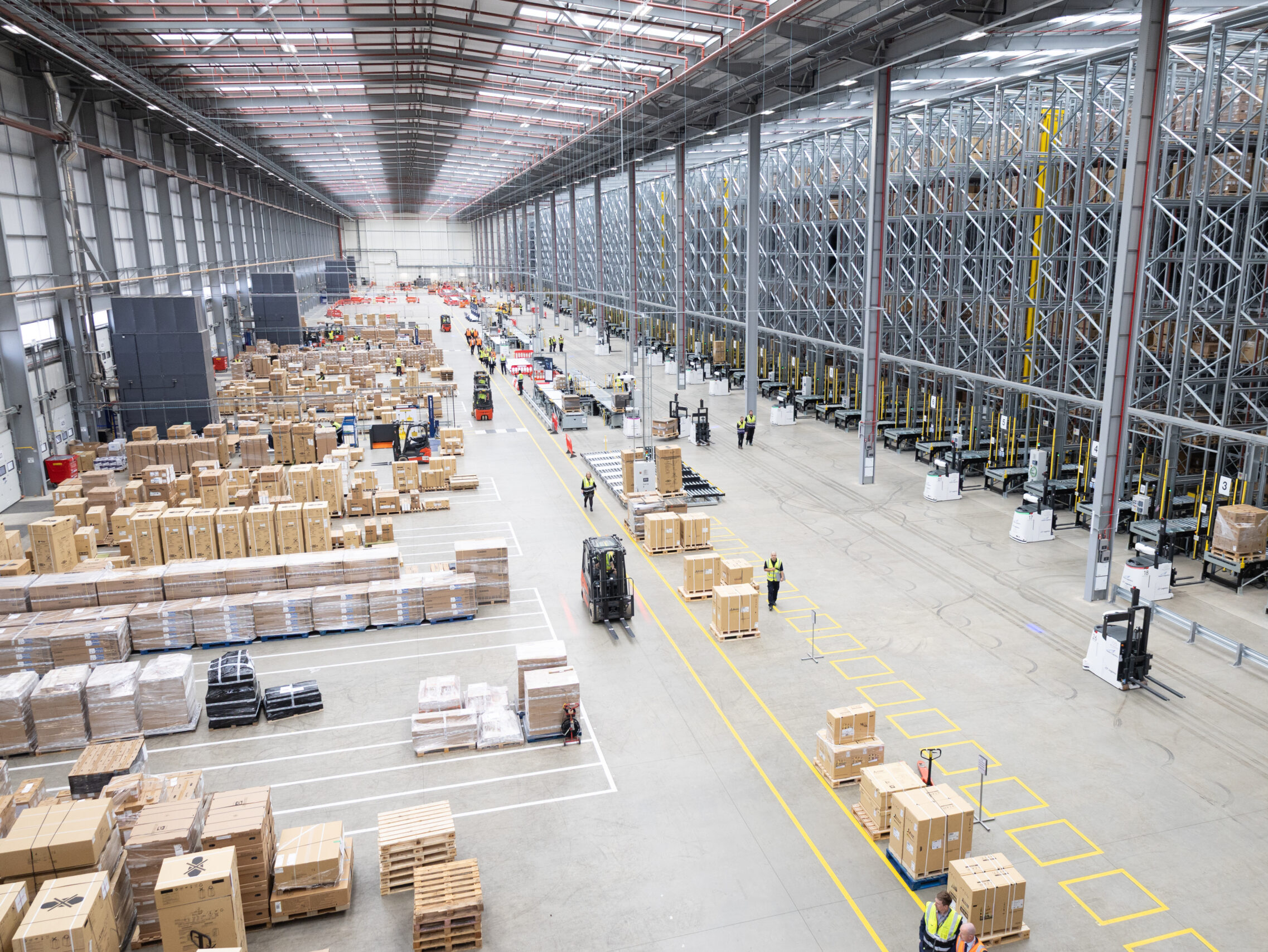
In September 2026, the company officially opened its new Sustainable Distribution Centre in Northampton, a 1.2 million square foot facility designed to combine automation, digital technology and low-carbon operations.
Located within one of the UK’s most important logistics corridors, the facility provides strong connectivity to national transport networks while offering retailers access to advanced logistics capabilities.
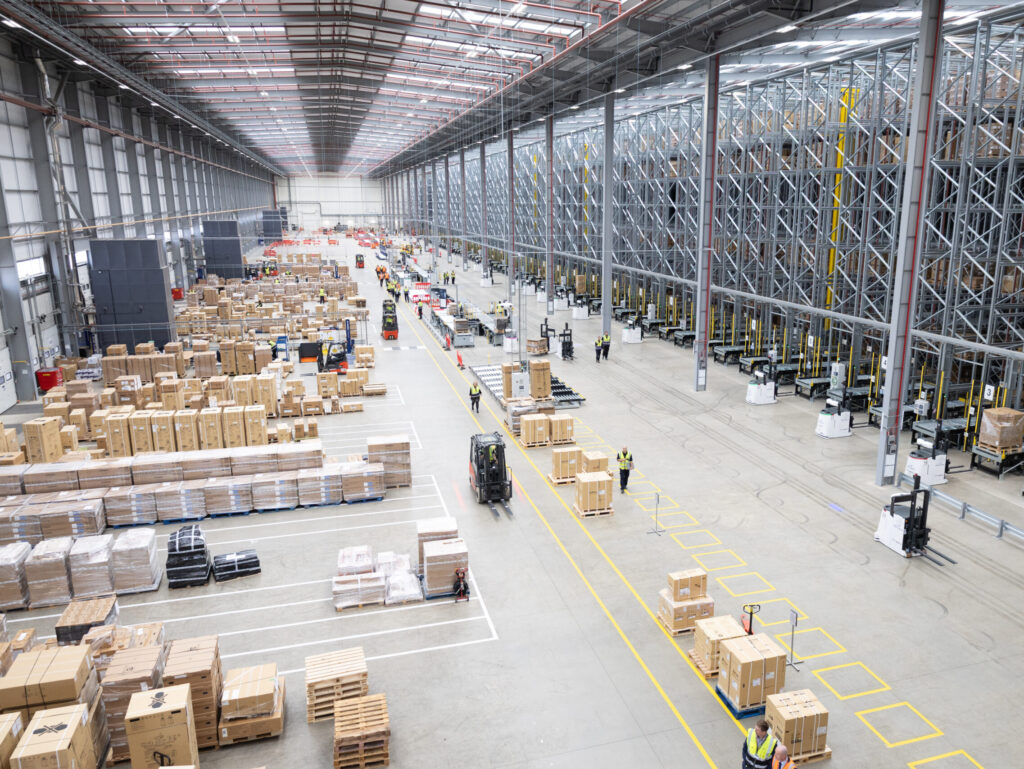
The centre incorporates automated storage and retrieval systems, autonomous mobile robots and four-way pallet shuttle technology, all designed to improve productivity, inventory accuracy and operational efficiency. The facility has capacity to support multiple sectors, including ecommerce and retail, allowing businesses to benefit from advanced infrastructure without developing equivalent facilities independently.
Beyond automation, sustainability has been a key consideration in the development. The facility has been designed to support lower-carbon operations while providing a scalable platform for long-term growth. This approach reflects a broader shift across the logistics sector towards assets that can simultaneously support efficiency, resilience and environmental objectives.
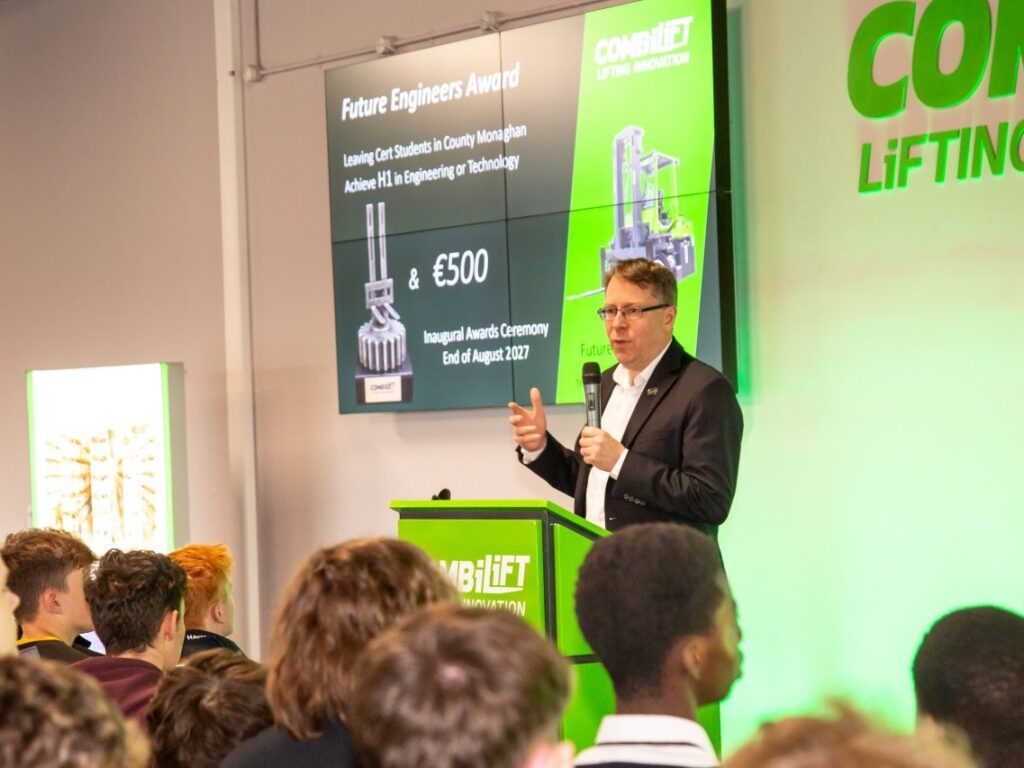
The opening ceremony brought together customers, business leaders, local stakeholders and community representatives, highlighting both the strategic significance of the development and the continued importance of logistics investment in supporting UK economic growth.
Building resilience for the future
Recent supply chain disruptions have reinforced the importance of resilience. Whether driven by geopolitical uncertainty, changing consumer behaviour or economic pressures, retailers must be prepared to respond quickly to unexpected challenges.
As a result, many organisations are reassessing how their supply chains are designed and managed. Visibility, flexibility and scalability are becoming as important as cost efficiency.
The businesses that succeed will be those that can balance service, sustainability and resilience while continuing to meet rapidly evolving customer expectations.
For logistics providers, the challenge is helping retailers achieve that balance through the combination of infrastructure, technology and operational expertise.
As the retail sector continues to evolve, supply chains will increasingly determine competitive success. The focus is no longer simply on moving products. It is about creating networks that can adapt, grow and perform under changing conditions.
Through continued investment in automation, sustainable infrastructure and integrated supply chain solutions, Yusen Logistics is positioning itself to support retailers as they navigate the next chapter in retail logistics. The company’s latest investment in Northampton is not simply a new warehouse; it is an example of how the logistics industry is preparing for a future defined by agility, resilience and increasingly sophisticated customer expectations.