
Bryn Heimbeck, President and Co-Founder of Trade Tech Inc., explores how global trade drives shared prosperity, strengthens economies, and fosters collaboration between nations
Warren Buffett recently affirmed a principle at the heart of global progress: “balanced trade is good for the world,” noting, “the more prosperous the rest of the world becomes, the more prosperous we’ll become.” His words reflect more than economic logic. They highlight the essential truth that trade creates reciprocal value, strengthening nations, industries, and communities alike.
Global trade is not a zero-sum game but a multiplier of shared prosperity, stability, and opportunity. It is both a driver of economic growth and a foundation for enduring partnership, proving that when nations invest in each other’s success, everyone benefits. In that sense, global commerce is less about competition and more about collaboration. These principles are particularly important today, as globalization and interconnected economies continue to reshape both domestic and international markets.
That belief is the foundation of Trade Tech’s initiative, Global Trade Is Good, a movement built on the conviction that when nations trade, they do not just exchange goods, they create prosperity, partnership, and progress. It is a philosophy that recognizes the interconnectedness of modern society, where a purchase made in one country can ripple across continents, transforming lives in ways that are both visible and subtle. Understanding this interconnectedness is essential for policymakers, business leaders, and consumers alike.
Why Global Trade Is Good
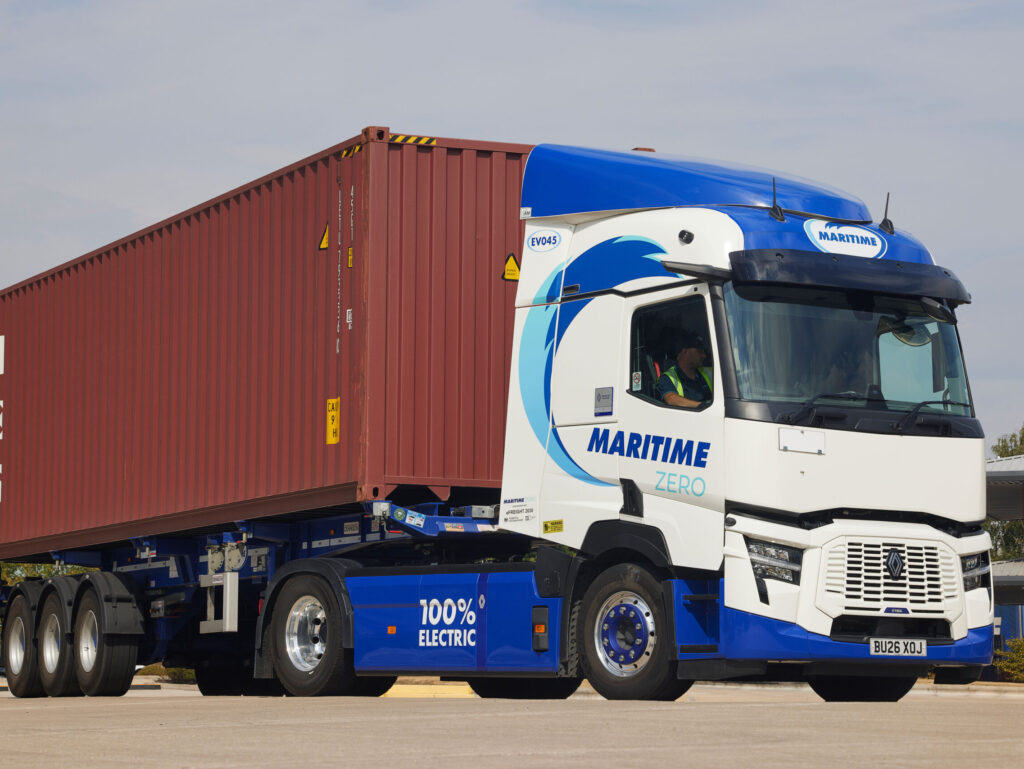
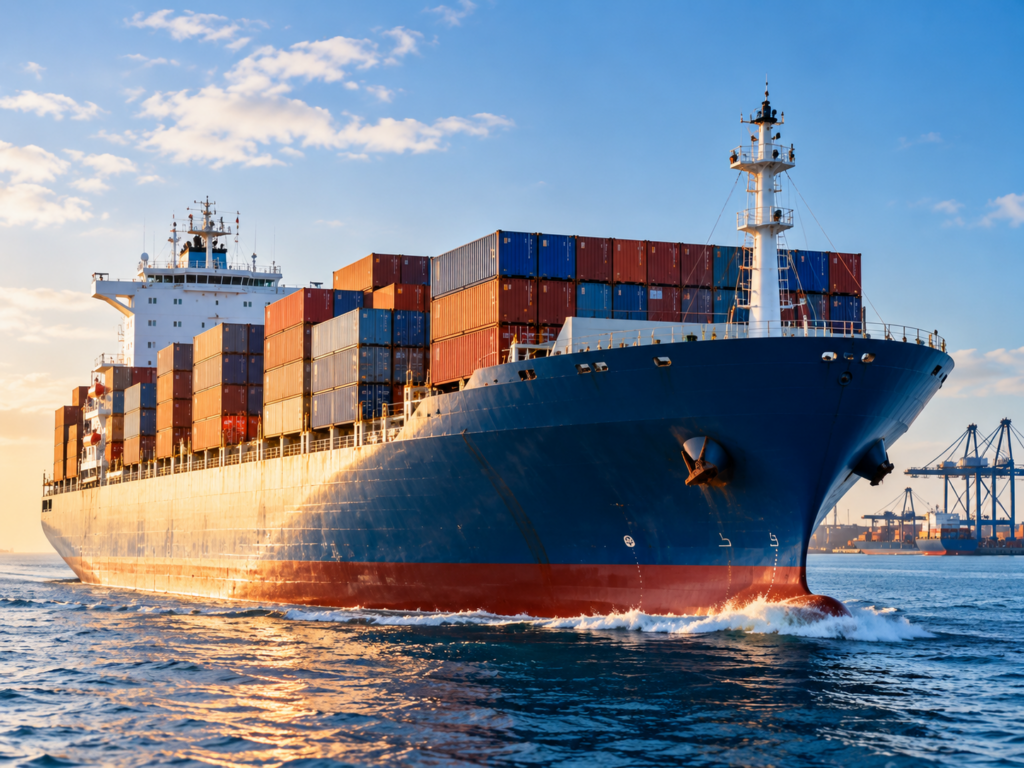
Trade strengthens economies, creates jobs, and builds connections across borders. These connections are not abstract, but rather they directly touch the lives of millions. From the coffee we drink in the morning to the technology we rely on daily, our lives reflect the quiet efficiency of global trade networks. These networks also encourage collaboration across industries, enabling innovation to spread faster and creating opportunities that would not exist in isolation. But the impact goes well beyond convenience.
Trade helps lift communities, encourages innovation, and expands opportunity. In today’s climate of rising skepticism about globalization, it is worth restating what remains true: trade is a force for good. Every product imported or exported tells a story of collaboration, investment, and ingenuity, often linking thousands of individuals who never meet but work toward shared goals.
The Broader Impact: Jobs, Growth, and Infrastructure
Trade continues to be a powerful engine for job creation. According to the World Trade Organization, trade-related jobs tend to be more stable, better paid, and more productive than those in non-trade sectors. In the United States alone, exports support over 41 million jobs. In developing countries, access to global markets has helped create millions of new positions in manufacturing, logistics, and services. That is nearly one in every five U.S. jobs, according to the U.S. Department of Commerce. This demonstrates that trade is not only an international economic tool but a direct contributor to domestic prosperity as well.
In developing economies, trade has also played a central role in reducing poverty worldwide. The World Bank estimates that open trade policies were a major factor in lifting more than one billion people out of extreme poverty between 1990 and 2015. The impact goes far beyond numbers and statistics; it transforms communities, enabling families to access better education, healthcare, and opportunities for future generations. When countries engage in trade, there is growth. This growth means people gain access to better education, healthcare, and quality of life, illustrating that trade is not simply an economic mechanism, but a tool for social progress as well.
As nations expand their role in the global economy, they invest in roads, ports, rail networks, and digital systems. The U.S. Department of Commerce estimates that every $1 billion increase in U.S. exports is associated with over 6,000 additional jobs and boosts investment in infrastructure. These improvements benefit not just the movement of goods, but also the development of entire communities. From sub-Saharan Africa to Southeast Asia, trade has supported long-term economic growth and regional integration, showing how investments in infrastructure multiply the benefits of commerce.
Read the full article in our latest issue here