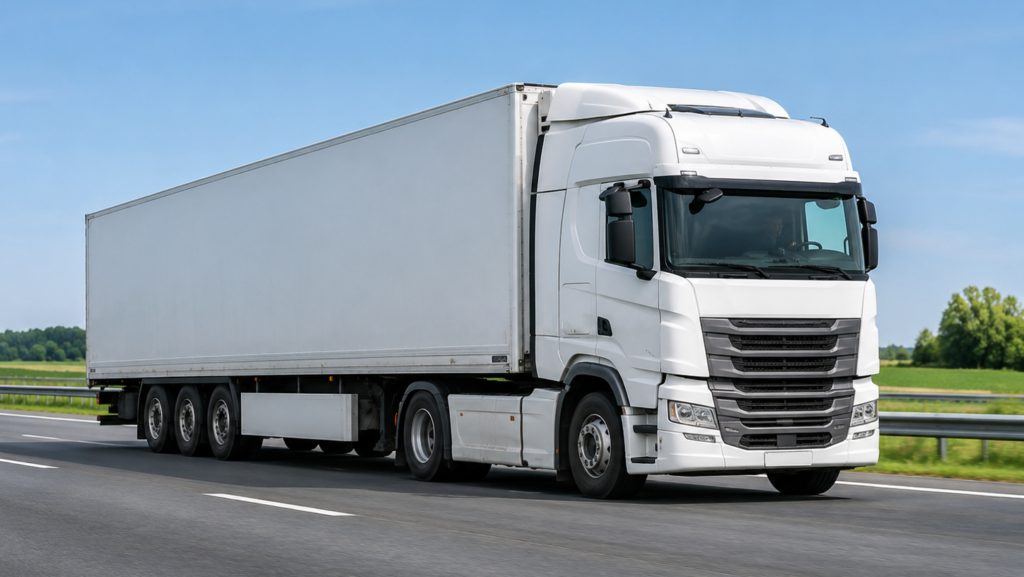

This World Suicide Prevention Day, SNAP is calling on the transport and logistics industry to break the silence around driver mental health. Occupational research shows male HGV drivers have historically faced a suicide risk around 20% higher than the national average.
Every day, professional drivers carry out checks designed to keep themselves, their vehicles and everyone around them safe.
Everything from tyres, lights, loads, routes and driving hours are always checked. But there is one that can easily be overlooked: “How are you doing?”
SNAP is calling on the haulage industry to make driver wellbeing part of its everyday safety conversation. They want to ensure the people responsible for keeping Britain moving know that they do not have to struggle in silence.
Analysis from the Office for National Statistics (ONS) previously found that the risk of suicide among male large goods vehicle drivers was around 20% higher than the national average for men, rising to around 25% higher among male van drivers.
The figures relate to deaths registered in England between 2011-2015 and should therefore not be interpreted as current 2026 suicide rates. However, concerns about the mental wellbeing of professional drivers and the pressures associated with working in road transport continue today.
In 2026, the Transport Research Laboratory (TRL) highlighted the historically elevated suicide risk among road freight drivers. The research pointed to a combination of pressures that can affect people working within the profession. Factors included long and irregular working hours, chronic fatigue, social isolation, time pressure, job insecurity and poor roadside facilities.
For some drivers, those pressures are experienced while spending long periods alone and hundreds of miles from their normal support networks.
Driving in silence
Professional drivers are the people behind the supply chains Britain relies upon every day.
They deliver the food on supermarket shelves, materials to construction sites, medicines and essential goods to communities, and products to businesses across the country. However, the realities of the job can mean spending hours alone behind the wheel, nights away from family and friends and long periods without meaningful face-to-face interaction.
Drivers can also face congestion, changing schedules, delivery deadlines, fatigue and the challenge of finding suitable facilities or safe parking when they need to stop.
These factors do not mean that professional driving causes suicide, nor will every driver experience mental health difficulties. Instead, they demonstrate why wellbeing cannot be treated as separate from driver safety.
A driver struggling with their mental health may not necessarily tell their manager, colleagues or family. They may continue turning up for work, they may continue making deliveries and to everybody around them, they may appear to be coping.
Check the load, the vehicle, and the driver
Vehicle checks are embedded into the daily routine of professional driving. SNAP believes checking on the person behind the wheel should become just as normal.
That does not mean expecting fleet managers, transport managers or colleagues to diagnose mental health conditions or become counsellors. Rather, they suggest it can start with something as simple as asking a few questions.
- “How are you doing?”
- “How are you finding things at the moment?”
- “You don’t seem yourself today, do you want to talk?”
A genuine conversation can create an opportunity for somebody to say when they are struggling. It may help to point the individual towards appropriate support.
SNAP is therefore encouraging fleet operators and the wider transport industry to consider mental wellbeing throughout the driver experience. This can be from access to safe and suitable places to rest, to workplace cultures where drivers feel comfortable speaking openly about how they are feeling.
Employers can also ensure managers understand how to recognise potential signs that somebody may be struggling. It’s also important that drivers know where confidential professional support is available when they need it.
Matthew Bellamy, Managing Director of SNAP spoke on the matter, “This is a subject that matters to me personally, as well as professionally. I’ve experienced the impact suicide can have on a family. I know how difficult it can be to recognise that someone is struggling or to know what to say. That’s why I believe so strongly that we need to make conversations about mental health and wellbeing more normal. Not only when someone reaches crisis point, but as part of everyday life and everyday safety”.
“The transport industry has a particular responsibility because of the unique pressures people can face on the road. We can’t solve this issue alone. Instead, we can create environments where people feel seen, supported and able to speak up. Sometimes asking a simple ‘Are you OK?’ can be the start of something incredibly important”
A responsibility shared across the industry
Improving driver wellbeing cannot fall solely on drivers themselves.
Fleet operators, employers, truck parking operators, roadside facilities and organisations across the transport supply chain all have a role to play in creating a working environment that supports the people keeping goods moving.
That includes access to good-quality facilities, opportunities for proper rest, safe places to park and, importantly, a workplace culture where speaking about mental health is not viewed as a weakness.
For SNAP, World Suicide Prevention Day is an opportunity to start a conversation that needs to continue long after the day itself.
Because keeping drivers safe shouldn’t stop at preventing collisions, maintaining vehicles or protecting loads. It should mean protecting the person behind the wheel too.
If you or someone you know needs support
If you are struggling or concerned about someone else, support is available. Samaritans can be contacted free from any phone in the UK and Ireland on 116 123, 24 hours a day.
If you or someone else is in immediate danger, call 999 or go to A&E.