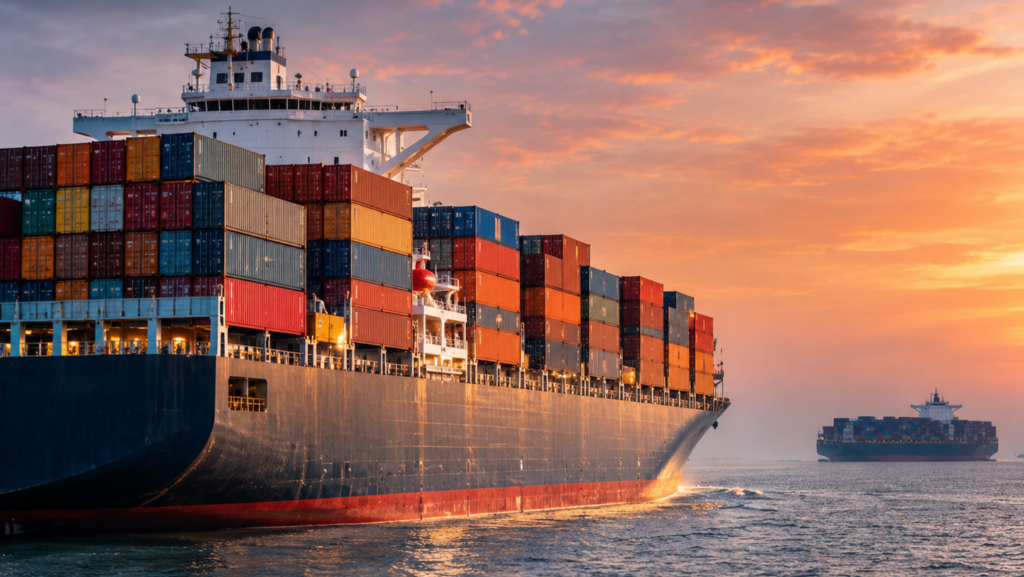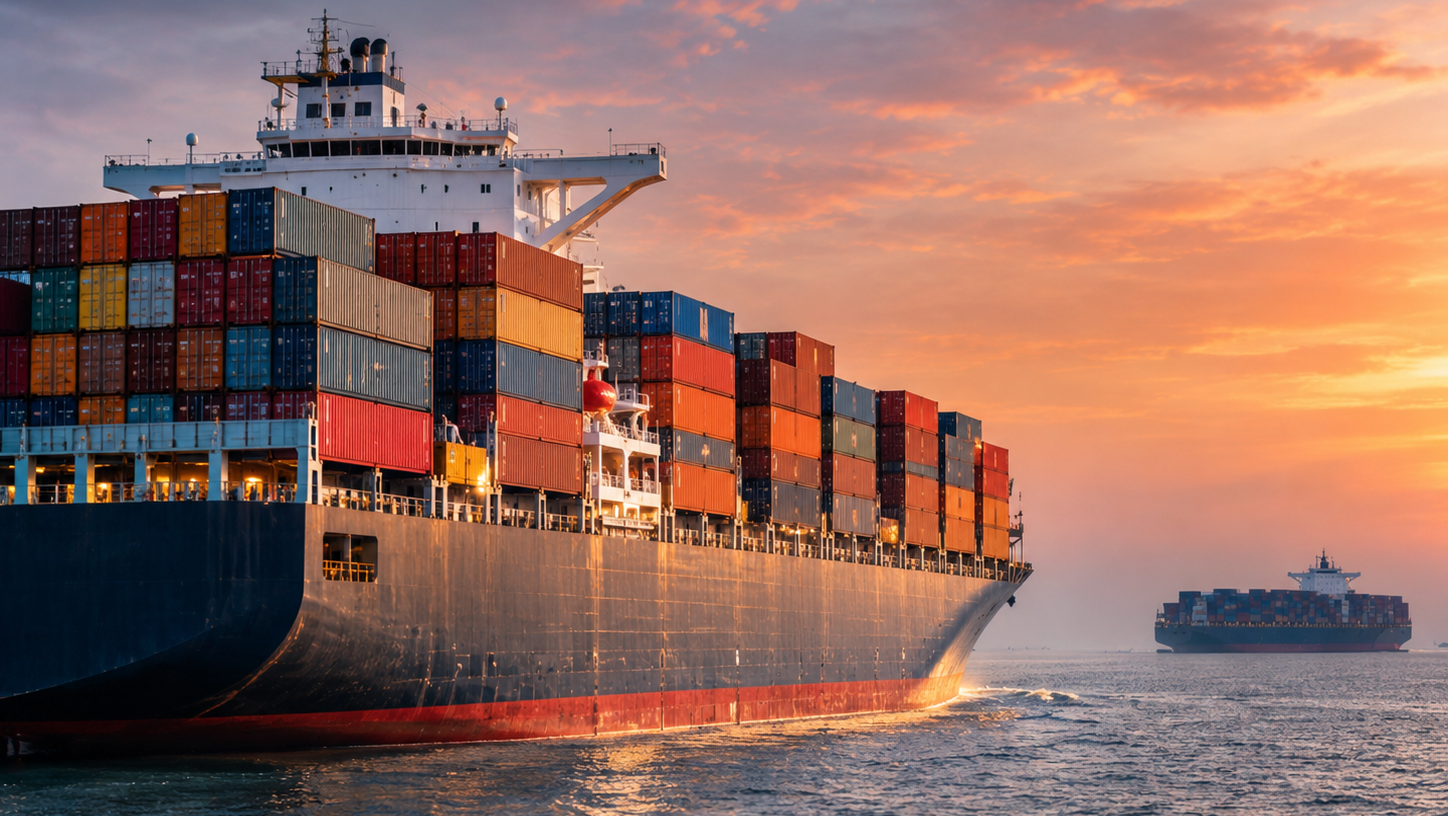

Global maritime trade growth is expected to stall in 2026, according to the United Nations Conference on Trade and Development (UNCTAD).
Its Review of Maritime Transport 2026 forecasts zero growth in global maritime trade volumes. This follows an increase of 1.9% in 2025. Despite the wider slowdown, UNCTAD expects containerised trade to grow by 3.3% in 2026. It highlights differences in performance across the maritime transport sector.
Longer shipping routes
Maritime transport demand, measured in tonne-miles, is forecast to increase by 1.5% in 2026 despite stagnant overall trade volumes.
This reflects the growing distances vessels travel as geopolitical disruption continues to influence international shipping routes. Longer voyages increase vessel operating costs and place additional pressure on available shipping capacity.
These conditions present challenges for freight forwarders and logistics providers, particularly when managing transport costs, delivery schedules and customer expectations.
The difference between cargo volume growth and transport demand also highlights the importance of considering shipping distances when assessing maritime market conditions.
Building supply chain resilience
UNCTAD’s report examines the relationship between geopolitical risks, sustainability and resilience across the maritime transport industry.
Rising operating costs and disruption to established shipping routes continue to create uncertainty for businesses relying on maritime transport.
Anticipated growth in containerised trade provides a more positive outlook for parts of the shipping industry. However, wider maritime trade stagnation reflects the challenging conditions in which operators continue to work.
UNCTAD’s projections highlight the ongoing need to balance operational efficiency, commercial pressures and supply chain resilience. This remains important as international shipping networks adapt to changing global conditions.