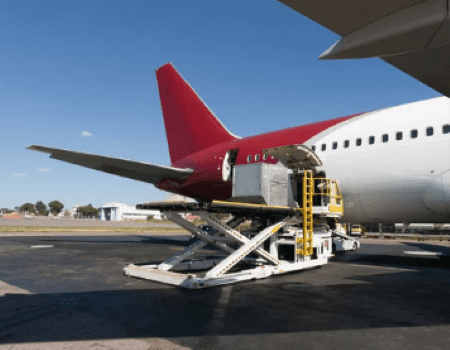

As stakeholders adapt to changing demands, ITM Editor Joseph Clarke explores the trends shaping efficiency, resilience, and sustainability in the pharmaceutical air cargo industry
In the world of air cargo shipping, the pharmaceutical industry is known for its innovation and ability to adapt. Here, changes in customer demands, the amount that can be transported, as well as the need to be more environmentally friendly all affect how the industry works.
Today, the air cargo pharmaceutical industry is witnessing a new combination of trends and demands, marking a new era of efficiency and resilience. These key areas that are now shaping the industry include changing customer demands, capacity normalisation, sustainability endeavours, the integration of artificial intelligence (AI), the utilisation of drones, and the practice of multisourcing.
Transparency and Reliability
Gone are the days when timely delivery alone sufficed to meet customer expectations. Today, the discerning pharmaceutical clientele seeks comprehensive solutions that transcend mere transportation. Transparency, reliability, and adherence to stringent quality standards have become non-negotiable facets of service provision.
In response, air cargo pharmaceutical companies are investing in cutting-edge technologies to offer real-time visibility throughout the supply chain, assuring customers of the safety and integrity of their cargo. Furthermore, flexibility emerges as a key determinant, with tailored solutions such as temperature-controlled transportation and customised handling procedures gaining traction to cater to the diverse needs of pharmaceutical clients.
Recognising the demand for transparent and reliable service provisions, Etihad Cargo has expanded beyond the carrier’s Abu Dhabi hub, with its PharmaLife network covering over 62 destinations. Since launching the Pharma Corridor 2.0 between Abu Dhabi and Brussels, the air cargo carrier has been able to provide the highest levels of assurance in the quality of handling to pharmaceutical shippers and forwarders through the establishment of pharma corridors between airports with cargo handling communities certified under the IATA CEIV Pharma programme.
In a recent press release issued by the cargo carrier, Etihad Cargo announced a 10.3% increase in volumes transported via the first-of-its-kind corridor, as well as 70% more pharmaceutical and life sciences cargo volumes since the corridor’s creation. Speaking of this achievement, Leonard Rodrigues, Acting Managing Director at Etihad Cargo, explained that the “establishment of Pharma Corridor 2.0 and an expansive global PharmaLife network has enabled Etihad Cargo to bring much-needed transparency, traceability and trackability to the sector, benefiting not only customers but also the global pharma supply chain.”
Rodrigues also revealed that the carrrier is able to offer complete transparency on the status of temperature-controlled pharmaceutical shipments thanks to its “unique collaboration and partnerships”, providing information on quality, time, temperature, potential deviations and actions.
Operational capacity
Air cargo carriers are also recognising the increasing need for expanded cool chain capacity to meet the demands of their partners and customers. For instance, Rodrigues highlighted a growing partnership with India, a country responsible for 30-40% of global generic medication production and supplying medicines to over 200 nations.
India’s emergence as a healthcare hub drives demand for pharmaceutical transport services like PharmaLife. Air cargo carriers are more dedicated than ever to supporting emerging and expanding markets by introducing new product features, leveraging technology, and offering specialised expertise. In 2023, Etihad Cargo initiated pharma roadshows, with a particular focus on India, demonstrating the carrier’s commitment to the region. Through its Pharma Champions programme, Etihad Cargo provides local expertise to Indian customers and enhances connectivity to key markets such as North America and Europe. Within a year, the carrier saw a significant increase, doubling its PharmaLife volumes originating from India.
Sustainability
With environmental concerns on the rise, the air cargo pharmaceutical industry is taking proactive steps towards sustainability, recognising its pivotal role in shaping a greener future. As global consciousness regarding carbon emissions and ecological impact continues to rise, stakeholders are increasingly embracing sustainability initiatives across the supply chain.
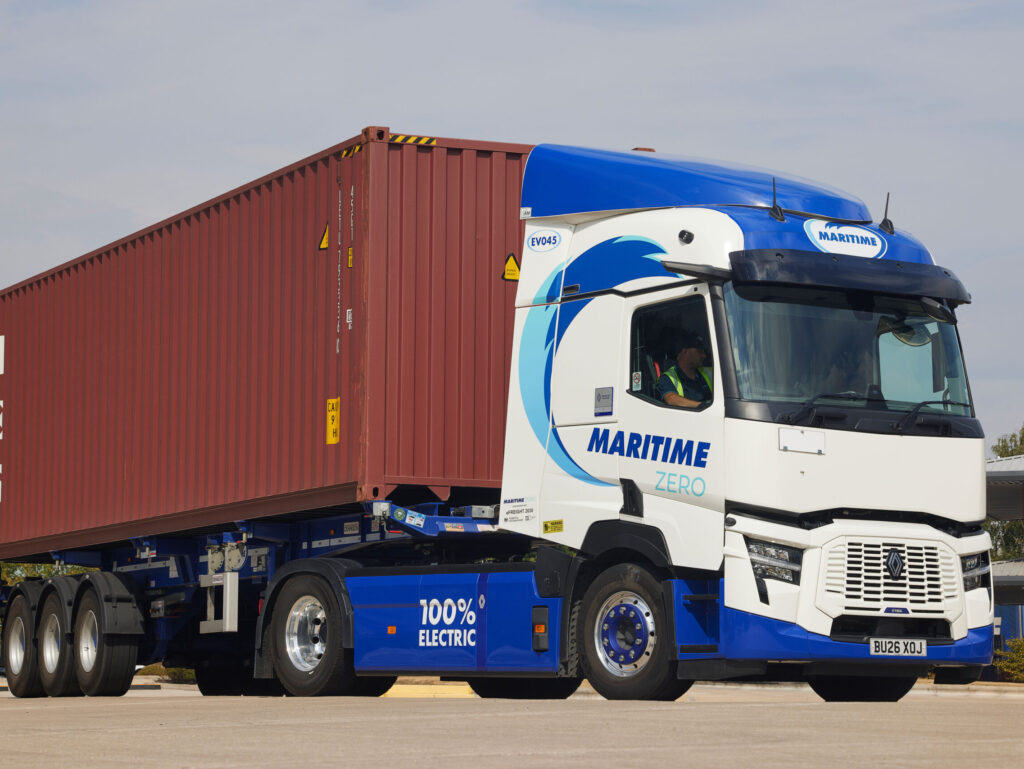
One of the primary areas of focus is the reduction of carbon emissions. Air cargo carriers such as DHL, FedEx and UPS are exploring innovative solutions such as the utilisation of biofuels to power their fleets. By investing in renewable energy sources, these companies aim to minimise their carbon footprint and contribute to the global effort to combat climate change. Additionally, carriers like Lufthansa Cargo are implementing hybrid and electric ground vehicles at their cargo hubs to further reduce emissions in their operations.
Moreover, the concept of ‘green logistics’ is gaining traction within the industry. Beyond reducing carbon emissions, stakeholders are placing emphasis on waste reduction, recycling and carbon offsetting measures. Companies like Cargolux have implemented initiatives to reduce single-use plastics in their packaging materials, while Singapore Airlines Cargo has invested in carbon offset programs to mitigate the environmental impact of their flights.
Partnerships with environmental organisations and certification bodies are also helping air cargo carriers ensure compliance with sustainability standards. For example, Emirates SkyCargo has achieved certification under the IATA Environmental Assessment (IEnvA) program, demonstrating their commitment to environmental stewardship and sustainable operations.
Beyond operational practices, the industry is also investing in research and development to explore new technologies that promise even greater sustainability benefits. Qatar Airways Cargo, for instance, is actively researching the feasibility of hydrogen-powered aircraft as a sustainable alternative to traditional jet fuel.
By embracing sustainability as a core guiding principle, the air cargo pharmaceutical industry not only mitigates its environmental impact but also strengthens its reputation as a responsible global citizen. Through collaboration, innovation, and unwavering commitment to sustainability, stakeholders are paving the way for a greener and more resilient future for air cargo transportation worldwide.
The Use of AI
In the air cargo pharmaceutical sector, Artificial Intelligence (AI) also stands out as a transformative force, reshaping traditional operations and driving innovation. Through the application of advanced algorithms and predictive analytics, AI is empowering more and more stakeholders to optimise processes, boost efficiency, and mitigate risks effectively. Air cargo carriers like FedEx, Amazon Air, and DHL are an example of the many that have already incorporated AI into their operations.
One of the key areas where AI is making a significant impact is in predictive maintenance. By analysing vast amounts of data in real-time, AI-powered algorithms can anticipate equipment failures before they occur. This proactive approach not only minimises downtime but also ensures the uninterrupted flow of pharmaceutical cargo, safeguarding its integrity throughout the transportation process.
Moreover, AI-driven predictive modelling is revolutionising capacity planning and resource allocation in the air cargo pharmaceutical industry. By analysing historical data and current trends, airlines can accurately forecast demand patterns, allowing for optimal utilisation of cargo space and resources. This proactive approach enables carriers to meet customer demands more efficiently while minimising wastage and maximising profitability.
Additionally, AI is enhancing decision-making processes across the supply chain by providing actionable insights derived from data analysis. From route optimisation to inventory management, AI algorithms enable stakeholders to make informed decisions quickly and effectively, leading to improved operational efficiency and customer satisfaction.
As AI continues to evolve and permeate every aspect of the air cargo pharmaceutical industry, its integration heralds a new era of data-driven decision-making and operational excellence. By harnessing the power of AI, stakeholders can navigate the complexities of modern logistics with greater agility, resilience, and efficiency, ultimately driving innovation and shaping the future of air cargo transportation.
Drones
The emergence of drone technology has underpinned a revolutionary shift in the air cargo pharmaceutical industry, boasting unparalleled levels of efficiency, speed, and accessibility. Drones equipped with state-of-the-art temperature-controlled compartments are transforming the way medical supplies are transported, particularly in challenging environments and remote regions.
These unmanned aerial vehicles (UAVs) offer swift and agile delivery capabilities, enabling the rapid transportation of critical pharmaceuticals to areas with limited infrastructure or during emergency situations. Whether it’s delivering life-saving vaccines to remote villages or transporting urgently needed medications to disaster-stricken areas, drones are proving to be invaluable assets in the fight against disease and illness.
One notable advantage of drone technology is its ability to enhance last-mile connectivity, bridging the gap between distribution centres and final destinations. By bypassing traditional transportation routes and overcoming logistical barriers, drones ensure timely and reliable delivery of pharmaceuticals to patients in need.
DHL, UPS, and Amazon Prime Air are just a small selection of the air cargo carriers that have introduced and are successfully employing drone technology in their operations. For example, DHL’s Parcelcopter project in Germany has successfully demonstrated the use of drones for delivering medical supplies to remote areas, showcasing the potential of this innovative technology in humanitarian aid efforts.
Similarly, UPS Flight Forward, the drone delivery subsidiary of UPS, has received FAA approval for drone operations, allowing the company to provide medical supply deliveries to hospitals and healthcare facilities across the United States. Through strategic partnerships and innovative initiatives, these carriers are pioneering the use of drones to enhance the efficiency and reliability of air cargo pharmaceutical transportation.
As regulatory frameworks continue to evolve to accommodate drone operations, the integration of drones into the air cargo pharmaceutical ecosystem holds immense promise for the future. With ongoing advancements in technology and increasing acceptance of UAVs as viable delivery solutions, drones are poised to redefine the boundaries of possibility in air cargo transportation, ushering in a new era of innovation and accessibility for the global pharmaceutical supply chain.
Multisourcing
One final area that is sharing more of the air cargo limelight, particularly for the transportation of pharmaceutical products, is multisourcing. A strategic imperative, multisourcing offers a powerful solution to mitigate risks and ensure uninterrupted supply chain operations. This approach recognises the inherent vulnerabilities associated with relying solely on a single supplier or transportation route, and instead advocates for diversification and collaboration across multiple fronts.
Multisourcing entails the adoption of a proactive strategy whereby pharmaceutical companies diversify their sourcing strategies and cultivate partnerships with multiple suppliers and service providers. By doing so, these companies not only reduce their dependency on any single entity but also enhance their resilience and ability to adapt to unforeseen disruptions or challenges.
One of the key benefits of multisourcing is its ability to safeguard against supply chain disruptions. By spreading risk across multiple suppliers and transportation routes, pharmaceutical companies can minimise the impact of unforeseen events such as natural disasters, geopolitical tensions, or logistical bottlenecks. This proactive approach ensures continuity of supply, thereby safeguarding the availability of essential medicines and medical supplies for patients worldwide.
Moreover, multisourcing enables stakeholders to leverage competitive advantages and optimise cost efficiencies across the supply chain. By strategically selecting suppliers based on factors such as price, quality and reliability, pharmaceutical companies can negotiate favourable terms and drive down costs without compromising on product quality or service standards.
Lufthansa Cargo and Singapore Airlines Cargo, among others, are embracing multisourcing as a key component of their operations. These companies recognise the importance of diversification in mitigating risks and ensuring the smooth flow of pharmaceutical cargo across their global networks.
By fostering a robust ecosystem of suppliers and collaborators, the air cargo pharmaceutical industry fosters innovation and drives continuous improvement. Through strategic partnerships and collaborative initiatives, stakeholders can leverage each other’s strengths and expertise to drive efficiency, enhance service quality, and deliver value to customers.
Multisourcing represents a fundamental shift in the way pharmaceutical companies approach supply chain management. By embracing diversification and collaboration, stakeholders can build resilience, mitigate risks and ensure the uninterrupted flow of critical medical supplies to patients around the world. As the industry continues to evolve and face new challenges, multisourcing will remain a cornerstone of strategic planning, enabling stakeholders to navigate the complexities of a dynamic marketplace with confidence and agility.
Concluding, the air cargo pharmaceutical industry stands at the precipice of transformation, propelled by evolving customer demands, capacity normalisation efforts, sustainability imperatives, the integration of AI, the utilisation of drones and the practice of multisourcing. As stakeholders embrace these trends and demands, they usher in a new era of efficiency, resilience, and sustainability, redefining the contours of pharmaceutical logistics in the process. Through collaboration, innovation, and a steadfast commitment to excellence, the industry paves the way for a future where air cargo transportation serves as a lifeline for global healthcare systems.
Read more news and exclusive features in our latest issue here.
Never miss a story… Follow us on:
International Trade Magazine
@itm_magazine
@intrademagazine
Media Contact
Joseph Clarke
Editor, International Trade Magazine
Tel: +44 (0) 1622 823 920
Email: [email protected]