Assistant Editor, Nicola Dale, takes a look at the rise of technological advancements in the supply chain, focusing on AI, blockchain and tracking software
Technology and strategies are constantly evolving and improving in the supply chain industry to better the processes. Supply chain technology has begun to incorporate the likes of Artificial Intelligence (AI), blockchain and tracking softwares. These additions help the supply chain move smoothly and also improve working conditions for the staff. The working environments in the supply chain industry rely on a practical and hands-on approach, so the safety of the staff and quality of the work is essential.
The supply chain is becoming more dependent on various types of technology, these evolving strategies ensure that the supply chain industry stays secure and efficient.
Artificial Intelligence
Artificial Intelligence (AI) can be defined as self-learning systems that can learn from experience with human-like breadth and surpass human performance on all tasks. AI has been utilised more frequently in recent years as technology evolves, it has proven itself to be essential in resolving key issues and challenges in the supply chain. Recent research conducted by McKinsey & Company found that 61% of executives who have introduced AI into their supply chains report decreased costs, and more than 50% report increased revenues.
Recent global incidents such as the Covid-19 pandemic and Brexit have had a detrimental impact on the supply chain and logistics industry. One of the many effects is the worldwide worker shortage, which is a key issue in the supply chain industry at the moment. AI technology plays a key role in resolving this issue because it reduces human manual work. AI technology has helped to reshape the supply chain by solving challenges like this and continues to evolve.
Autonomous vehicles are an incredibly useful outcome of AI in the supply chain. Autonomous vehicles are essentially self-driving vehicles, which helps resolve a lot of the current issues within the trade industry. Road accidents are an extremely common occurrence, autonomous vehicles greatly improve safety. There are many concerns about the safety of autonomous vehicles and AI in general being used in the supply chain industry, but autonomous vehicles have proven themselves to be safer. With autonomous vehicles there is no need to worry about driver related issues and the goods can be transported safely. Autonomous vehicles process large amounts of data which means they are able to make decisions that humans are not capable of. They can determine shorter routes so that the goods can be transported to their destination much quicker.
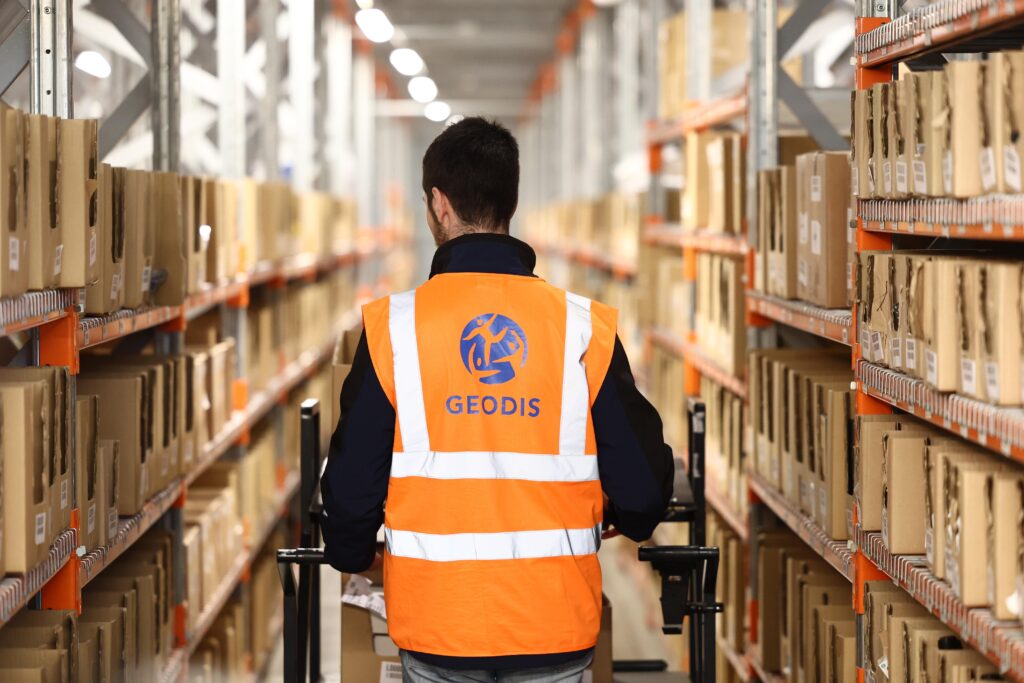
Warehouse robots are another fantastic use of AI in the supply chain sector. These robots can be used for picking, packing and transportation. Robots are rising in popularity amongst many companies in the industry, they are efficient and reduce cost. Workers need to be recruited, trained and retained, increasing the use of robots helps to reduce these issues. A common use of robots is robotic arms, they can be used for many instances such as goods-to-person workstations or mounted to a mobile robot. They are extremely useful for picking stations, loading empty cartons to overhead conveyors and sorting units into outbound shipping lanes. Collaborative robots, also known as ‘co-bots’, are useful in terms of decreasing the travel of the workers who are picking. The pickers spend a lot of time walking around the warehouse, the co-bots reduce a lot of the walking time involved.
To read more exclusive features and latest news please see our February issue here.
Media contact
Rebecca Morpeth Spayne,
Editor, International Trade Magazine
Tel: +44 (0) 1622 823 922
Email: editor@logistics-buyer.com