
Agility Robotics is expanding the deployment of its Digit humanoid robot through an extended partnership with GXO Logistics, with additional installations planned at two US fulfilment facilities.
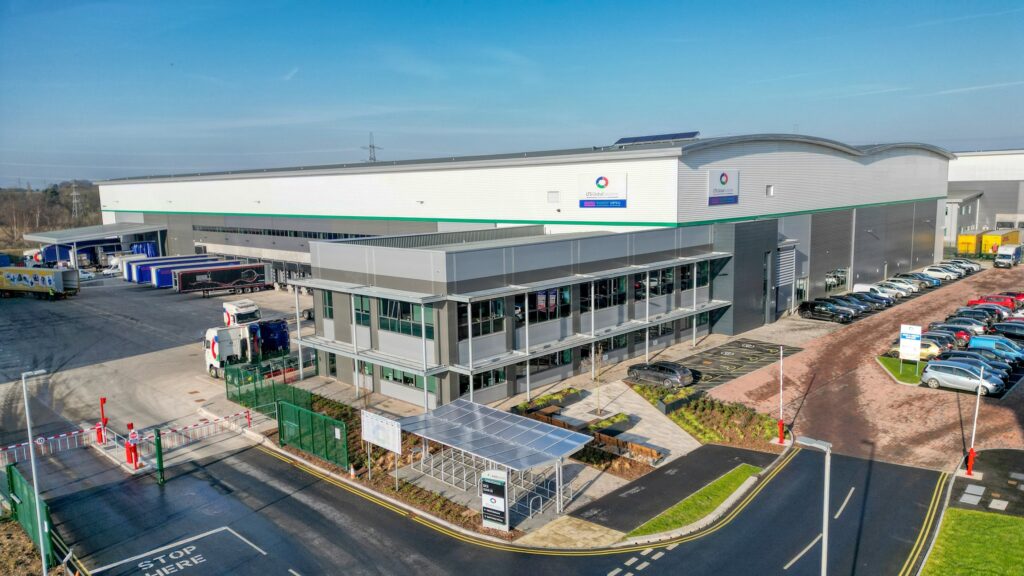
Announced on 26 October 2026, the agreement will see Digit robots introduced at GXO operations in Statesville, North Carolina, and Lebanon, Tennessee. It supports repetitive materials handling tasks associated with e-commerce fulfilment.
The expansion follows an existing commercial deployment at GXO’s Flowery Branch facility in Georgia. Here, Digit robots have moved more than 100,000 totes as part of live warehouse operations.
The additional deployments are expected to begin in early 2027 using Digit 4. Eventually, there will be a transition to the next-generation Digit 5 when it becomes commercially available.
Developing humanoid warehouse automation
Digit handles materials in warehouses and logistics facilities that traditionally rely on human workers and conventional equipment.
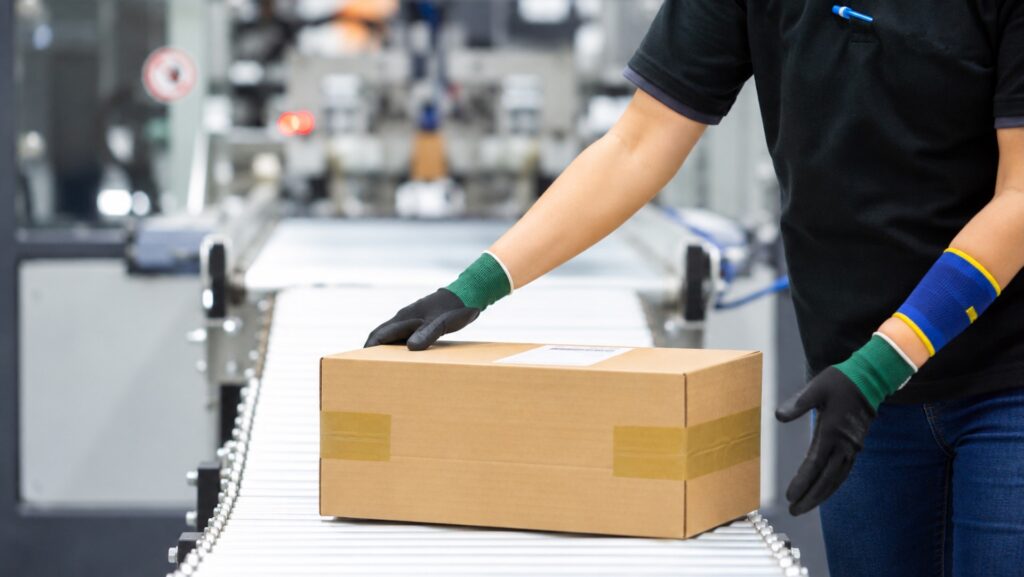
At GXO’s Georgia facility, the robots have operated alongside existing automation systems, transferring totes and placing them onto conveyors.
The original deployment was established under a multi-year Robots-as-a-Service agreement signed in June 2024, following initial trials in late 2023. The system also incorporates Agility Arc, a cloud-based platform developed to manage robotic fleets and integrate their activities with customer operations.
Agility Robotics reports that Digit has accumulated more than 65,000 hours of real-world operation across commercial deployments and customer programmes.
This operational experience has informed the development of Digit 5, unveiled in September 2026. It is being designed for a wider range of industrial workflows and operation in proximity to people.
The company has also invested in manufacturing infrastructure, including its RoboFab facility in Oregon. The facility can produce up to 10,000 robots annually.
Implications for warehouse operators
The GXO expansion provides an example of humanoid robotics progressing beyond individual demonstration projects into additional commercial facilities. The technology may be relevant to warehouses where repetitive handling activities are difficult to automate using conventional fixed equipment.
However, buyers must consider safety, reliability, integration, maintenance and the range of tasks humanoid systems can perform consistently. The Robots-as-a-Service model is another important element of the agreement, offering a commercial structure that differs from outright equipment ownership.
The expansion also demonstrates the importance of testing new equipment in operational environments before extending deployments across multiple facilities. The partnership will provide further insights into how operators can integrate humanoid systems into existing e-commerce fulfilment operations.