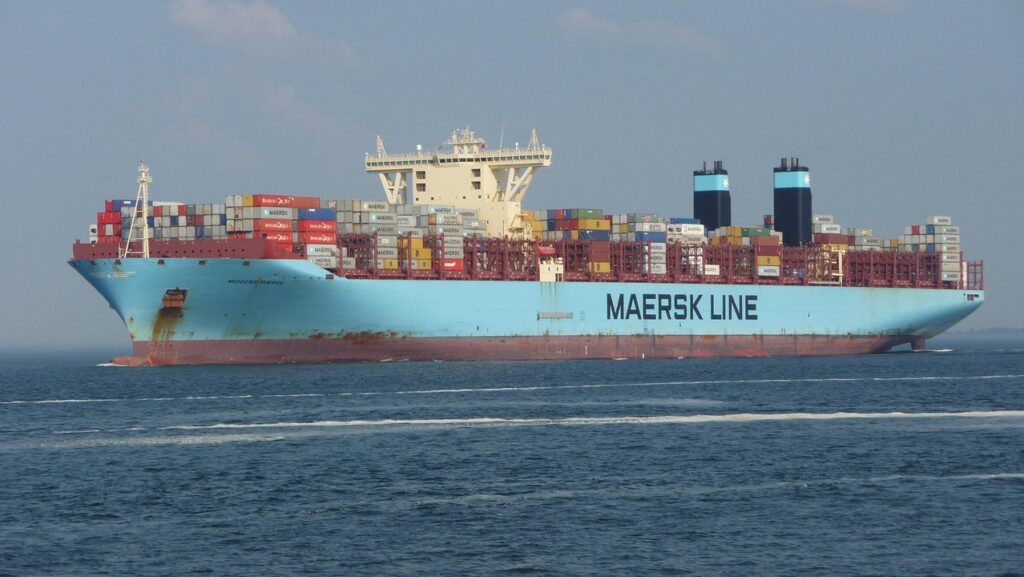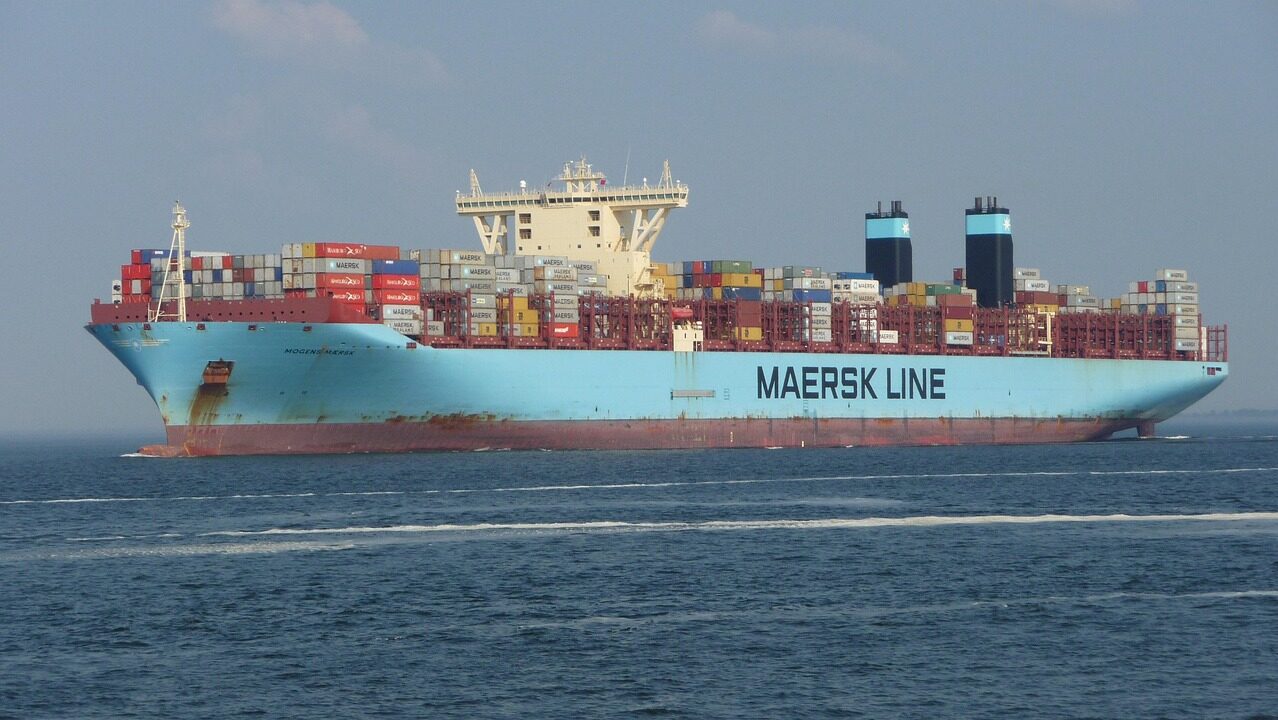

Maersk has confirmed an order for 26 large container ships with a combined capacity of around 483,600 TEU. However, with deliveries scheduled for 2029 and 2030, UK businesses importing goods today will see no benefit from the new vessels for years.
The order comes as delays at Asian ports leave 8.5% of the global container fleet effectively unavailable. Global schedule reliability fell to just under 50% in August, its lowest level since September 2022. Late vessels arrived an average of 6.8 days behind schedule.
With the congestion unlikely to be fully resolved before the rush to ship goods out of China ahead of its New Year factory closures in February 2027, those delays are set to affect the stock UK businesses are ordering now.
Hayley Hedley, Group Commercial Director at Cleveland Group, says headlines about large ship orders can give the wrong impression to businesses planning their stock.
“An order of this size sounds like more capacity is on its way, but for anyone placing orders with suppliers in Asia this winter, it changes nothing for the next few years,” says Hedley. “The ships that will carry next spring’s stock are already in service. Many of them are currently caught up in congestion at Asian ports.”
Cleveland Containers has been following how the carriers’ investment in new ships compares with the reliability problems facing UK importers.
A fleet due in 2029 won’t clear the current backlog
The capacity currently tied up by delays is around six times larger than Maersk’s entire new order. Maersk has also described the vessels as part of its ongoing fleet renewal programme. How much they add to its overall fleet depends on how many older ships are retired.
“Businesses shouldn’t read a shipbuilding announcement as a sign that delays are about to ease,” Hedley explains. “What matters for a UK importer over the next six months is how quickly congestion in Asia clears, and the current estimates run into next year. Stock for the first few months of 2027 should be planned on the basis that the delays will still be there.”
Cheaper freight doesn’t mean faster freight
The wider industry is ordering at a record pace. The global container ship orderbook reaching 13 million TEU earlier this year, a level that has raised concerns about overcapacity towards 2028. In the meantime, spot rates from Asia to Europe have been falling even as rates to the US continue to climb.
“Lower freight rates on the Asia to Europe trade will be welcome news for importers. However, price and reliability are two separate things,” says Hedley. “A cheaper container that arrives a week late can still cost a business more if it means a stalled site or an empty shelf. If freight costs do come down, it’s worth using some of that saving to hold extra stock on site.”
What UK businesses can do now
Hedley says businesses should base their plans for the next six to twelve months on the shipping network as it operates now. They should place careful attention to the weeks before Chinese New Year.
“Orders for spring usually need to ship before the factories close in February. With congestion expected to last until then, anything booked close to that cutoff carries more risk than usual. Bringing those orders forward means having somewhere to store them when they land.”
She also encourages businesses to seek better visibility of their stock while it’s in transit. “Ask suppliers for the vessel name and track it yourself, rather than relying on the arrival date on the booking. When reliability is below 50%, that date can’t be relied on. Finding out a ship is running late a fortnight in advance gives you time to adjust orders, deliveries or storage.”