
Andrew Scanlon, Head of Sales & Marketing at 3PL Paxon, looks at how shopping habits and expectations are being reshaped by technology and what this means for retail supply chains and fulfilment.
How consumers discover and buy products influences the way supply chains operate. As shopping habits evolve, supply chains and fulfilment operations must adapt quickly to ensure inventory is available where customers want it, when they want it. This is becoming even more important as Artificial Intelligence (AI), wearable devices and drones begin to transform purchasing journeys and consumer expectations.
To better understand how emerging technologies are influencing shopping habits, we worked with YouGov to complete an online survey of over 2,000 UK adults aged 18+ years. The research also coincides with Bnode officially launching Paxon, its unified third-party logistics (3PL) brand. This brings together leading logistics businesses Radial, Staci, Active Ants and Base Logistics – a unification marking Bnode’s transformation into a digital expert in international logistics and services.
The research revealed that while AI-powered shopping remains in its infancy, retailers have an opportunity to future-proof their supply chains by preparing for less predictable demand trends, while also prioritising the growing value of personalisation during fulfilment.
The emerging era of AI-powered shopping
Research data shows almost two thirds (62%) of online shoppers have never used AI product recommendations, while 21% had seen products suggested by AI tools, but never bought them. 1 in 10 online consumers said they are likely to use AI to make online purchases in the next 12 months, with AI shopping assistants helping them to discover new products, as well as reaffirming planned choices.
Although consumers are still getting to grips with AI, the technology has huge potential to change how people browse and buy products online. It could become quicker and easier for people to shop, creating faster order cycles, sudden sales surges, less predictable demand patterns, more fragmented baskets and multichannel returns. All these factors are likely to affect how retailers and brands prepare for sales trends, how they manage stock levels and how they organise inventory. Warehouse Management Systems (WMS) will need to rethink connections with sales channels to better forecast demand to ensure product availability and readiness for picking, packing and dispatch.
If more and more online purchasing happens through AI-powered tools, retailers could see fewer shoppers visiting their websites directly. That would reduce the opportunity to build customer relationships and, as a result, it may mean a shopper’s order becomes the most important touchpoint for differentiating brands, engaging customers and encouraging repeat purchasing. This places greater emphasis on personalised fulfilment, and to deliver this effectively, processes will need to strike the right balance across automation, digitalisation and human operatives to ensure there’s enough flex.
The growing importance of post-purchase experiences
Wearable technology could be another force reshaping how consumers discover and purchase products, taking people away from retailers’ websites. In the future, smart glasses could allow people to look at products they see in everyday life and purchase them instantly in their preferred size, colour and specification. Nearly two thirds (64%) of adults aged 18-34 years would be likely to shop using smart glasses.
Shopping might become more automated and fragmented, making every stage of the post-purchase experience more important. From delivery speed and packaging quality to personalisation and returns, each interaction contributes to how customers perceive a brand. In this environment, fulfilment will become more than an operational function. It will be a critical driver of customer loyalty, brand reputation and long-term growth.
The greater need for speed
Drone delivery services are also beginning to influence consumer expectations around speed and convenience. Services such as Amazon Prime Air could see an emergence of the ‘same-day society’, where shoppers are less likely to wait for online orders. Three in ten (30%) adults believe drones will make it unacceptable to wait more than 24 hours for the delivery of an online order, rising to 45% of 18–24-year-olds and 40% of 25–34-year-olds.
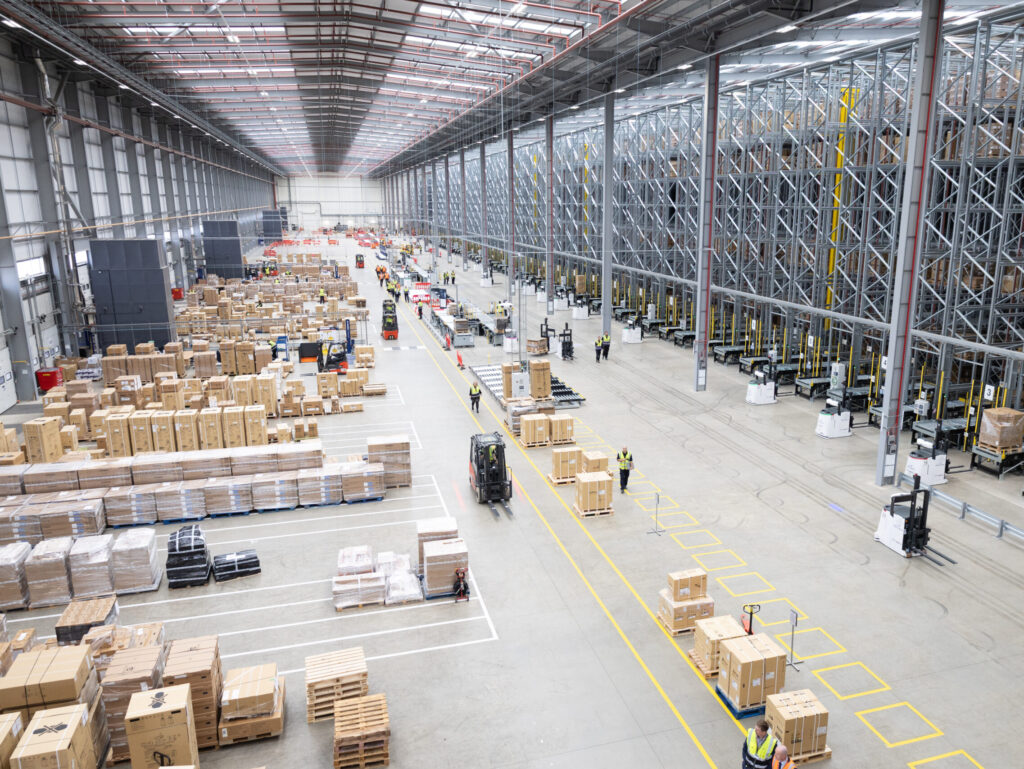
Expectations for faster deliveries will place increased emphasis on eliminating errors, reducing touchpoints and avoiding bottlenecks during fulfilment. Automation will be a key part of the solution, but operators will also need the flexibility to respond to increasingly fragmented purchasing journeys, while supporting greater order personalisation. For these reasons, fulfilment processes are likely to blend AI, robotics and human expertise to improve speed and precision, while retaining the agility to meet evolving customer expectations.
Ultimately, technology is changing not only what consumers buy, but how, when and where they buy it. As shopping journeys become more automated, connected and frictionless, expectations for speed, convenience and personalisation will continue to rise. Supply chains and fulfilment operations will need to adapt at the same pace, ensuring they have the capabilities to satisfy increasingly dynamic customer demand.