
Tigris warns that growing cargo volumes and new battery risks are putting pressure on existing dangerous goods checks.
The volume of cargo moving through the world’s ports continues to grow, while the ability to identify dangerous goods before they are loaded remains a major challenge for the shipping industry.
New figures from the UK Department for Transport show container traffic through major UK ports increased by 12% year on year in Q2 2026, reaching 1.7 million units. Container tonnage also rose by 9% over the same period.
Rising risks from lithium batteries
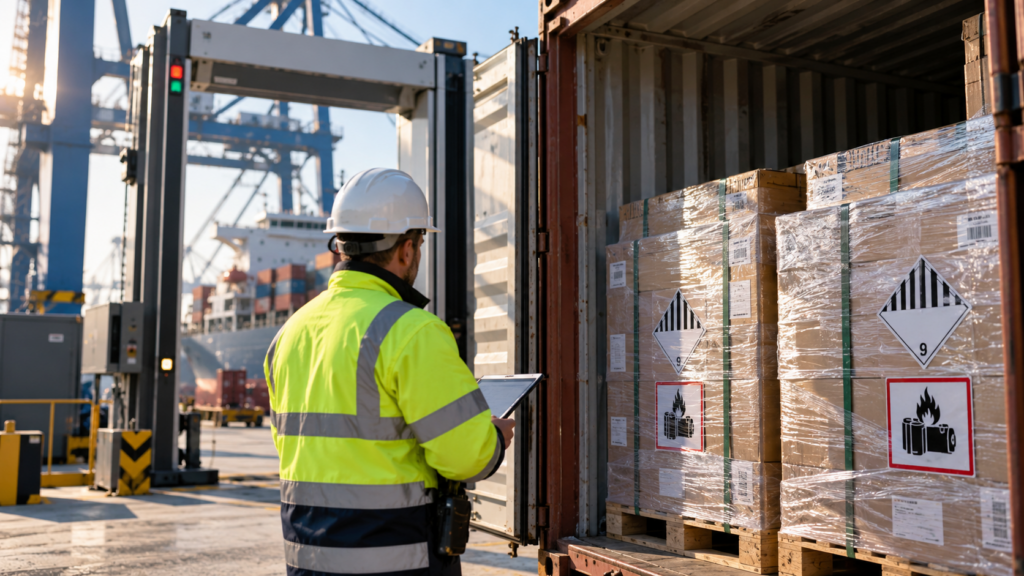
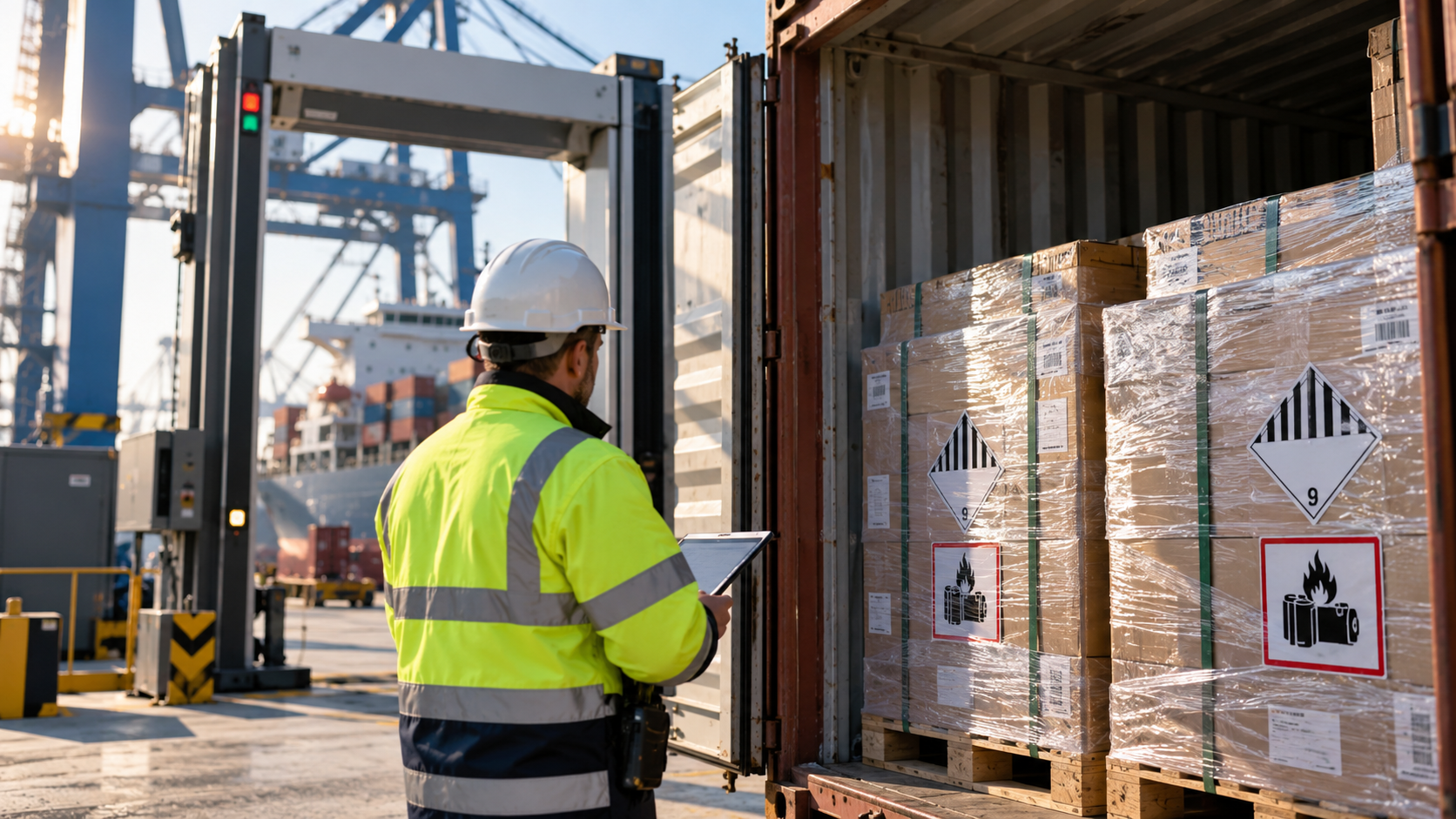
The pressure is particularly significant for cargo containing lithium-ion batteries. The volume of lithium-ion batteries in circulation has increased sixfold over the past five years, according to estimates from the International Energy Agency, while concerns over undeclared battery shipments have continued to grow across the shipping industry.
The issue has prompted further action from carriers. In August, French shipping firm CMA CGM introduced a mandatory declaration and approval process for all cargo containing lithium-ion batteries, including batteries transported under Special Provision 188 (SP188). The move followed a number of fires linked to lithium-ion battery cargo.
The latest edition of the International Maritime Dangerous Goods (IMDG) Code also became mandatory in January 2026, bringing updated requirements for the carriage of dangerous goods in packaged form.
Commenting on the trend, Tom Bebbington, Industry Engagement & Strategic Partnerships Lead, Maritime Expert Witness at Tigris, said, “The volume of cargo moving through ports is only part of the picture. The bigger concern is whether the information available about that cargo is accurate enough for carriers to identify the risks before it reaches the vessel.
“Dangerous goods compliance depends on accurate declarations, but the industry is dealing with more complex cargo and a growing number of products containing batteries. When information is missing or incorrect, the people responsible for loading and stowing a vessel are making decisions without the full picture.”
Improving visibility to prevent vessel fires
Tigris’ recent ‘Before the Fire: Dangerous Goods Safety and the Visibility Gap’ report found that vessel fires have increased by 20% year on year. Around 250 vessel fires recorded during the period were examined. The report highlights the role of misdeclared and undeclared dangerous goods in increasing the risk of serious incidents at sea.
Tom added, “The industry has made significant progress in tightening the rules around dangerous goods, but regulation only works when the right information reaches the right people.
“The answer cannot simply be more checks at the point of loading. Carriers need better visibility of what’s actually inside a container so that they can identify dangerous cargo before it becomes a safety issue. As cargo volumes continue to increase, that gap becomes harder to manage.”