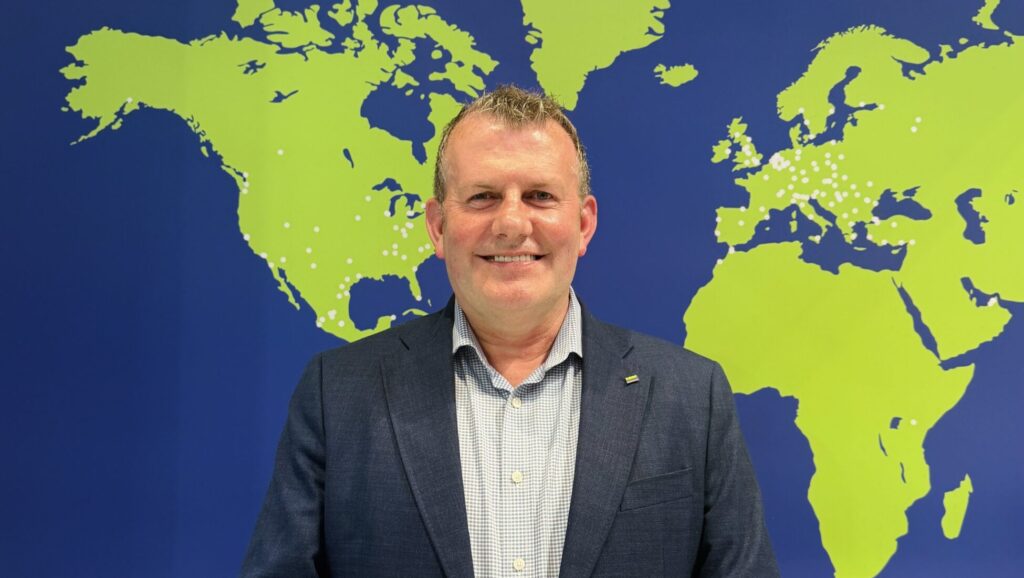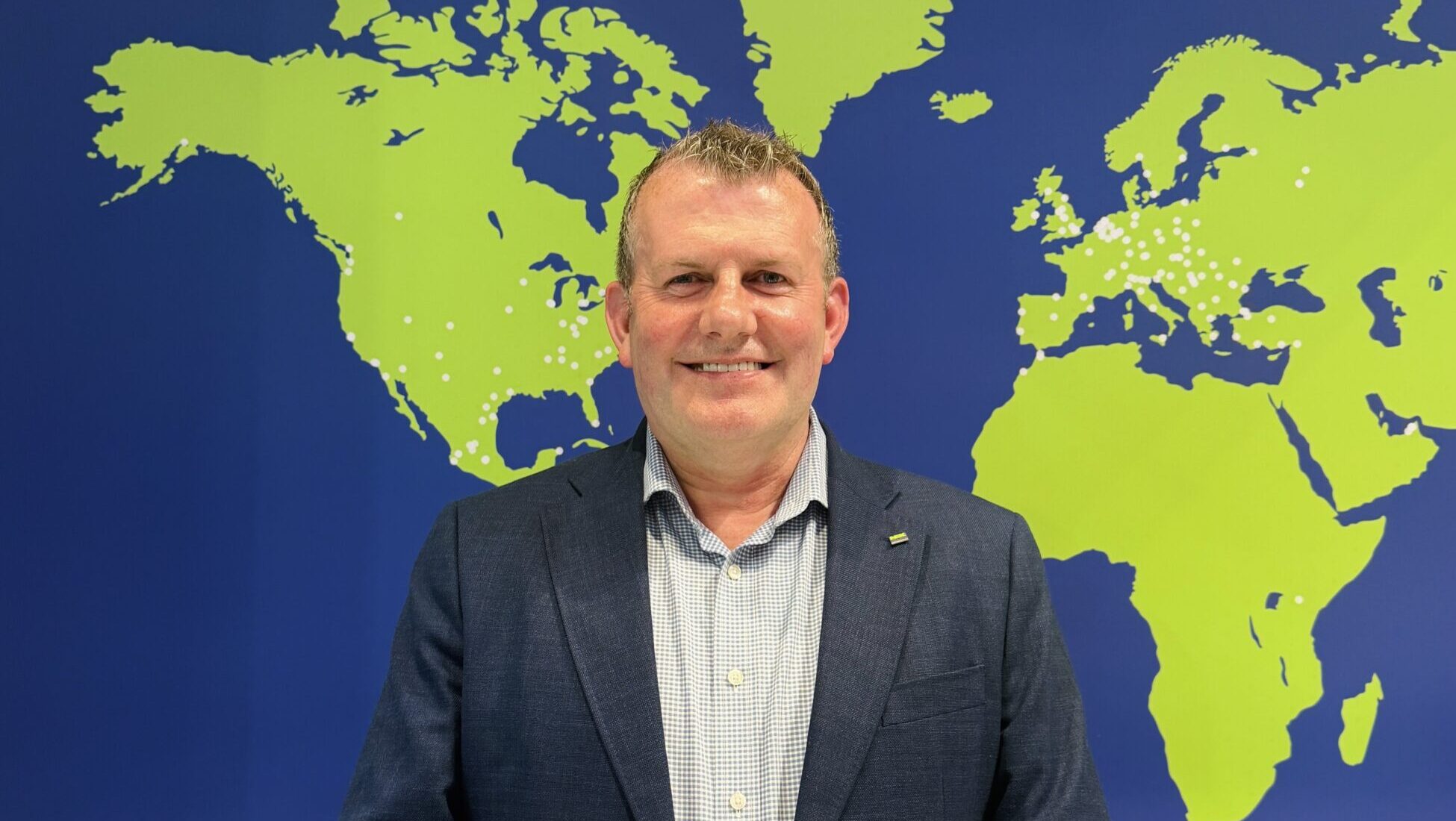

Steve Williams, Managing Director of Nippon Express in the UK and Ireland, discusses the company’s approach to AI, automation and visibility, alongside the technologies that could shape logistics over the coming years.
Please introduce yourself and your role at Nippon Express.
I am Steve Williams, Managing Director of Nippon Express in the UK and Ireland. We are an international global freight forwarding company, and are within the top five globally. We have a strong market in Japan where we offer air, ocean, road and contract logistics services.
Can you share how AI is being used within Nippon Express?
It’s still early days for AI for us. It is something we are definitely looking at. We have a very centralised IT team who work regionally that all report to Japan. They’re looking at AI now and the different ways of trying to combat the different risks associated with it as well because we need to ensure all safeguarding is there.
Right now, the business had a lot of human handover to double check things before being pushed into AI systems. But it is definitely something that we are working on and over the course of the next year, we’ll begin to see things roll out.
Which technology developments do you think have delivered the greatest improvements in customer service and visibility?
Many of the legacy freight systems have got no visibility attached to them, so the visibility tracks trace becomes a separate module.
As we evolve in our journey with replacing our legacy system with Cargowise that visibility becomes a lot easier to give customers up front and also easier for our own operatives to actually see things. Getting one time only data and using it smartly through the system as opposed to constantly inputting, it’s something that I think we need.
We’re doing lots of workarounds with the old systems today, so our productivity should improve and we can put more effort onto our customer service.
How do you think operators could use AI in the future?
I think AI is definitely going to be something that is used more and more throughout the industry and one of the first areas around that is visibility.
Today, you can take feeds from airlines, shipping lines and trucking companies and put them straight into your track and trace data. They’re only as good as that milestone being fed from something else or manually being keyed in.
AI could take that trace and update all the different milestones automatically, but also accurately, and have the intelligence to recognise when something doesn’t make sense, question it and find the true answer.
AI could also do a lot of data entry. Anything that involves keying in data or taking information from an email could all be done electronically, which is certainly an advantage in terms of speed and cost.
What role could robotics and automated vehicles play within logistics strategies?
For the right customer they can make a big difference. The automation robots I’ve seen in warehousing, such as driverless forklifts, are quite slow for safety, so there’s an argument on time and motion as to how effective they are.
However, it can obviously work round the clock and there are savings to be made in other areas as well.
We already have robotics that are already deployed within NX on a case-by-case basis. The technology is continuing to develop and we’re keeping a very open eye on it.
In the UK, right now, we’re still probably first generation with our operatives and forklifts as there’s a little bit of automation there, but more is to come as we invest more in that space.
How can these technologies contribute to sustainability goals?
There are a number of things. Of course, electric forklifts are key because they’re obviously not using any dirty fuel. There are other gains within facilities too. Some warehouses have no humans in them at all, which means you can maximise the space because you don’t need walkways or even lights in many of them because the automation is moving straight around.
Effectively, you’re not burning energy as you don’t need to light up the warehouse. There are lots of things that have got a multiplier effect when you start to invest in that technology. You’re also looking for that as you also need to justify the return on investment as this technology isn’t cheap.
We want a very strong, productive workforce, giving them the best tools that we can and passing that on to the customer, so we can give them an economical solution that also ticks their boxes on sustainability as much as our own.
Which technologies could have the greatest impact on global logistics over the next five to ten years?
For me, the biggest one that I think we’ll be able to embrace fairly quickly is pure AI and the capture of information. Being able to read emails, to read documents and capture elements from it and put that into updating a system or a client directly could have a significant impact.
It can even trigger the email and write back to the customer automatically, meaning there is no human involvement. That’s probably the one that is within reach.
If AI has been confirmed of all safety precautions, there will also be no GDPR risks. That’s probably the technology I can see being scalable and deployable fastest to give an instant benefit. The number of jobs that can be processed by individuals in your business should increase significantly, which means people can be redeployed or we can take on a lot more business with the same workforce.
We’re not looking to downsize, we’re looking to upscale in terms of growth.