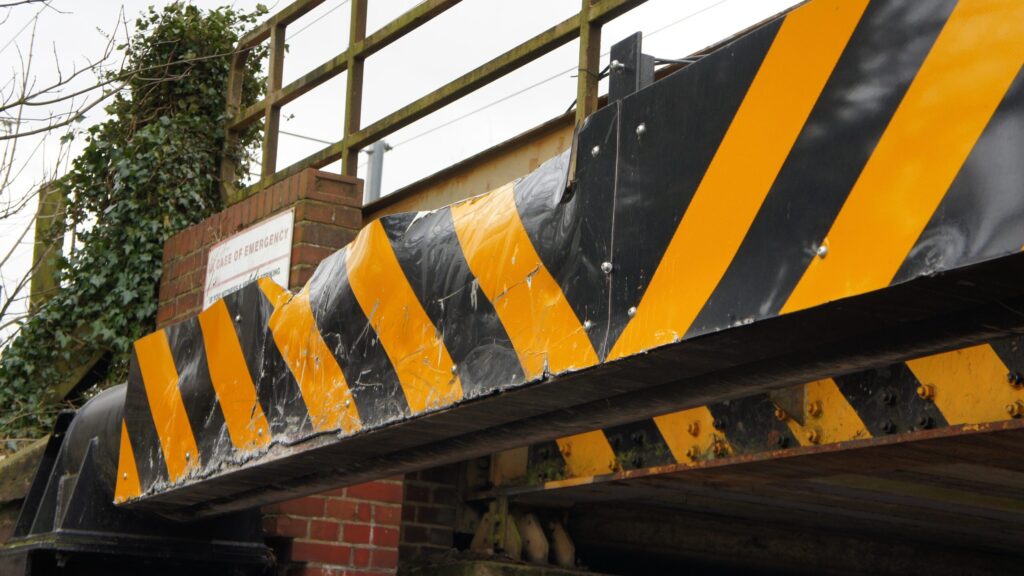

A former DVSA professional and member of the Network Rail Bridge Strike Prevention Group is urging haulage operators to review their driver onboarding procedures and vehicle safety measures as the industry enters one of the highest-risk periods of the year for bridge strikes.
Phil Breen, Head of Commercial at specialist transport law firm LMP Legal has warned that darker evenings, increased delivery volumes and greater reliance on agency drivers and hired vehicles during the Black Friday and Christmas rush could leave operators particularly vulnerable to bridge strikes this quarter.
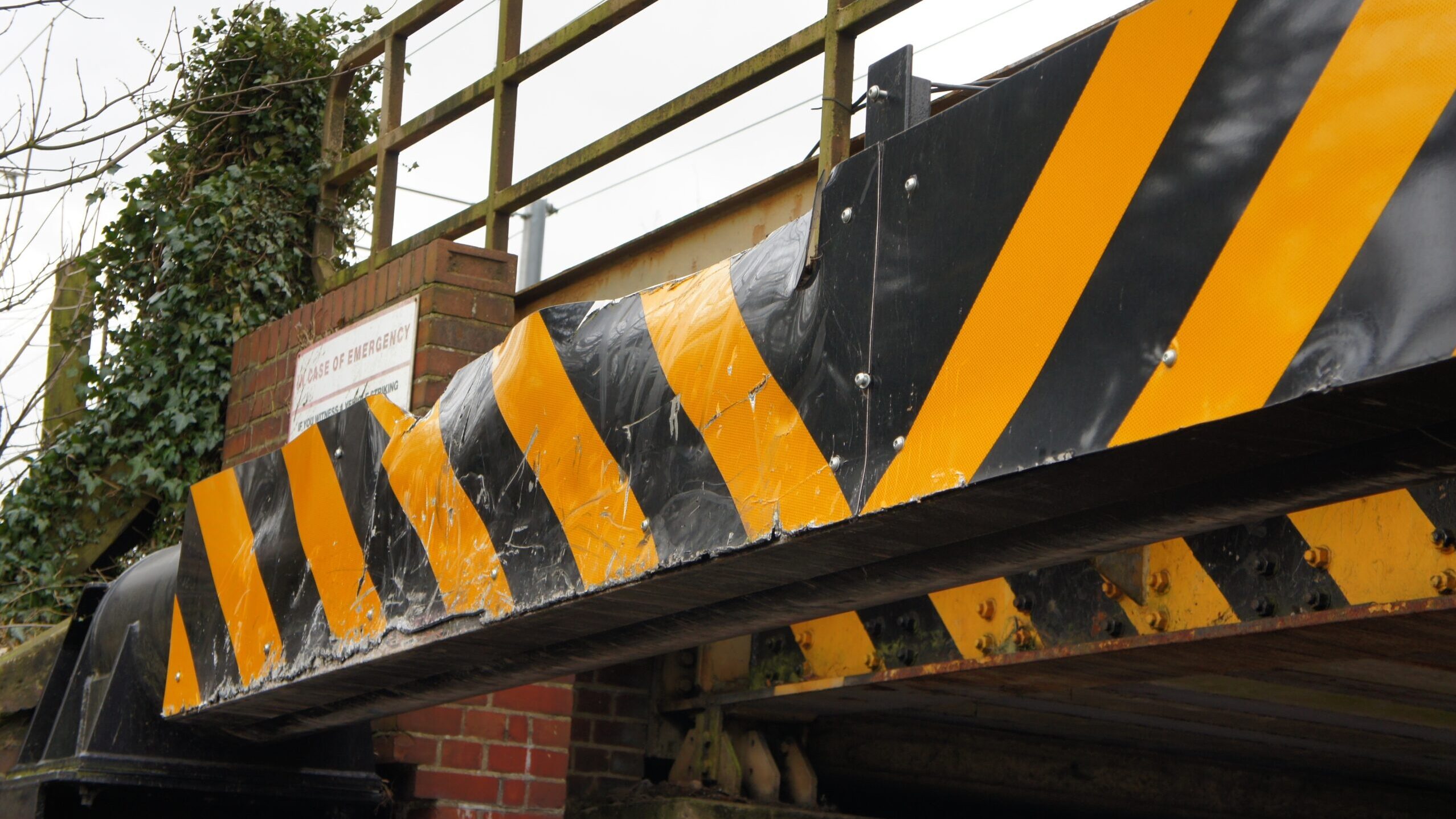
He commented, “Historically, the weeks following the clocks going back are a particularly challenging period for bridge strikes. When you combine that with the additional pressures of Black Friday and Christmas, the risks become even greater. Hence why according to Network Rail, they rise to an average of almost 10 per day.
“Operators will bring in agency drivers, hiring vehicles or taking on work involving unfamiliar trailers to cater to increased volumes. However, none of that should come at the expense of robust driver onboarding and training.”
Operators urged not to overlook agency driver training
Phil Breen also believes one of the biggest misconceptions among operators is that responsibility for training agency drivers sits with the agency supplying them.
While agencies may provide assurances about a driver’s experience and qualifications, operators remain responsible for ensuring drivers are familiar with the vehicles, equipment and procedures required to carry out their work safely.
“I’ve seen operators rely on the fact that an agency has supplied them with competent drivers in the past, or that their contract states those drivers have already received training.
“However, an agency driver is still driving your vehicle under your operator’s licence. If something goes wrong and the circumstances are examined at an enforcement visit or in court, simply saying the agency told you the driver was trained is unlikely to be sufficient.
“Operators need to ultimately satisfy themselves that every driver, whether permanent or temporary, has received the appropriate training. They need to understand exactly what is expected of them. This is particularly when working with unfamiliar drivers or new agencies during busy periods.”
Unfamiliar vehicles create additional risks
Another area of concern is the increased use of hired vehicles and unfamiliar trailers during peak periods, particularly as operators take on additional work for other businesses. These arrangements can introduce variations in vehicle heights and configurations that drivers may not be accustomed to.
Research from Network Rail has highlighted the importance of proper vehicle checks and route planning. 43% of lorry drivers admitted to not measuring their vehicle before setting off. Meanwhile, 52% said they did not take low bridges into account when planning their journeys.
“A driver might be perfectly familiar with the height of the vehicle they normally operate. That doesn’t mean the same dimensions apply when they’re given a different trailer or a hired vehicle.
“Operators need to ensure drivers know how to measure the full vehicle combination correctly. They need to be able to repeat those checks whenever the configuration changes. Even something as simple as providing a measuring stick showing both metric and imperial measurements can help avoid unnecessary confusion.”
HGV drivers to avoid standard consumer Sat-Navs
He also highlighted the importance of providing drivers with appropriate HGV-specific satellite navigation systems. This would be instead of relying on personal devices that may not account for vehicle height and weight restrictions.
The Department for Transport has previously warned against HGV drivers using navigation systems designed for cars. These may direct them onto routes with low bridges or other restrictions that are unsuitable for their vehicle. While sat-navs can be a useful tool, they should never replace proper route planning, and an understanding of a vehicle’s dimensions.
“You can provide a driver with excellent training, but if they’re relying on a standard car sat-nav that doesn’t account for their vehicle’s height and weight, they’re immediately putting themselves and others at risk. These systems simply aren’t designed with HGVs in mind and can direct drivers onto routes they shouldn’t be taking.
“Operators need to make sure their drivers have access to suitable HGV-specific sat-navs. Just as importantly, they need to know how to use them properly. Does the driver know how to update the height settings when changing trailers? Have they been shown how to measure the vehicle correctly? Is the planning team aware of any changes in dimensions so it can plan suitable routes?
“Sat-navs are ultimately there to support drivers, not make every decision for them. Drivers still need to pay attention to road signs, follow their training and know what to do if a route doesn’t look suitable. These aren’t complicated things to address but getting them wrong can have very serious consequences.”
Unexpected closures and diversions
With winter bringing an increased risk of adverse weather, road closures and unexpected diversions, Phil also stressed the importance of ensuring drivers have access to support when their planned routes become unsuitable.
“It’s all well and good having a route planned. However, what happens when a driver encounters an unexpected closure or diversion? Do they know who to call, or are they left trying to work it out themselves?
“Operators need to make sure drivers have access to their transport manager or planning team and understand what to do when plan A is no longer an option.”
Preparation is key
Speaking on the consequences of a bridge strike, Phil Breen warns that the repercussions can extend well beyond the immediate damage and disruption. The operators could potentially face criminal investigations, regulatory action and public inquiries.
“No driver sets out intending to hit a bridge. However, these incidents are still happening, and the consequences can be serious. While bridge strike numbers had been falling year-on-year before the pandemic, they’ve started to rise again. They have increased from 1,532 in 2023/24 to 1,666 in 2024/25. That’s almost 9% in just one year, so vigilance is key.
“As such, my advice to operators is to review their procedures now. They need to ensure drivers have the right training and equipment, and establish clear lines of communication and access to specialist on-scene legal support should the worst happen.
“Ultimately, prevention comes down to preparation, and a few straightforward measures now could save operators considerable disruption and difficulty later.”