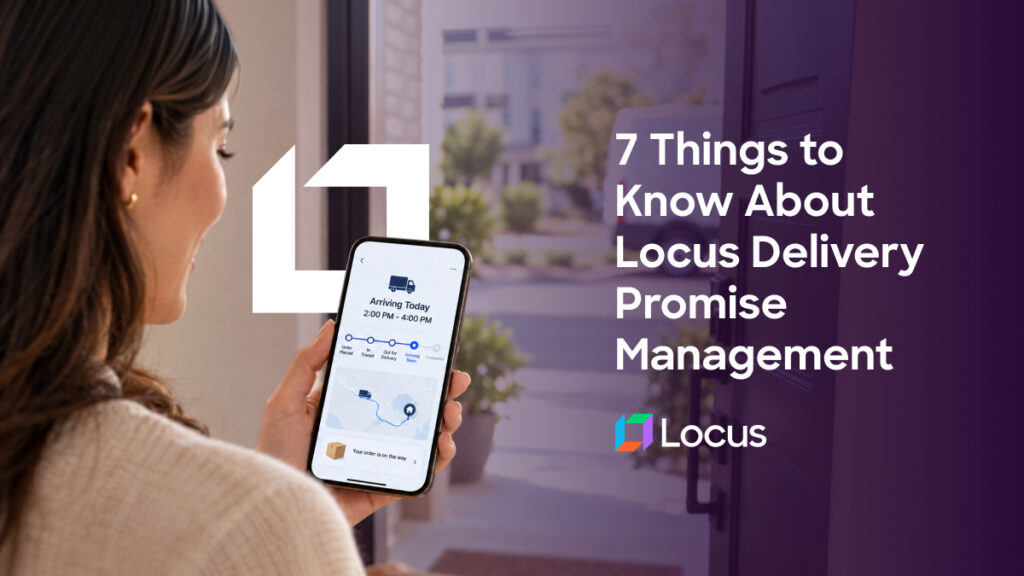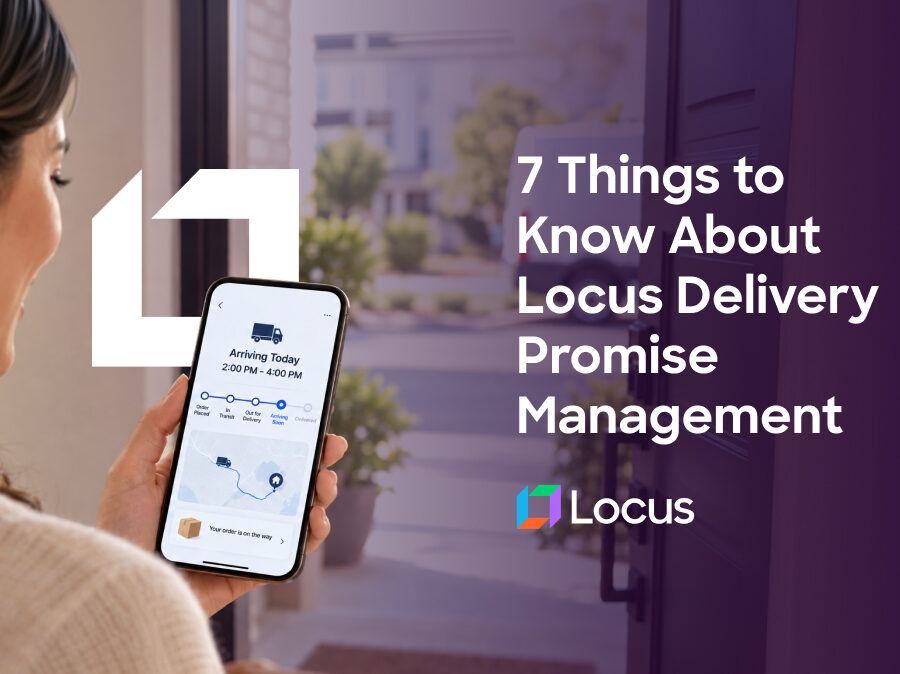

Locus has introduced Delivery Promise Management technology designed to stop retailers offering delivery slots their logistics networks cannot fulfil.
Announced for implementation planning ahead of the 2026 peak season, the technology checks available capacity before presenting delivery windows to customers. Locus detailed the capability on 23 September.
The system connects checkout decisions with live logistics information covering warehouses, linehaul movements and final-mile delivery.
Capacity checked before checkout
Locus works backwards through the logistics network before approving a delivery window. It checks the warehouse cut-off, linehaul capacity and the final vehicle route. The platform then returns feasible delivery slots in under a second, according to Locus.
This approach differs from systems that estimate delivery dates primarily from historical averages.
Locus says testing against one week’s order book from a retailer produced feasible delivery windows for 98.5% of orders. It also reported a 58% reduction in orders without available slots. These figures come from Locus’ own testing.
The technology connects through APIs with existing systems and supports owned fleets, third-party carriers and hybrid delivery networks.
Delivery promises meet logistics capacity
The development addresses an important issue for retailers and logistics operators: the gap between customer promises and operational capacity.
Offering an unsuitable delivery window can create additional costs through failed deliveries, customer service enquiries and replanning. Checking capacity before confirming an order could help operators prevent these problems rather than responding afterwards.